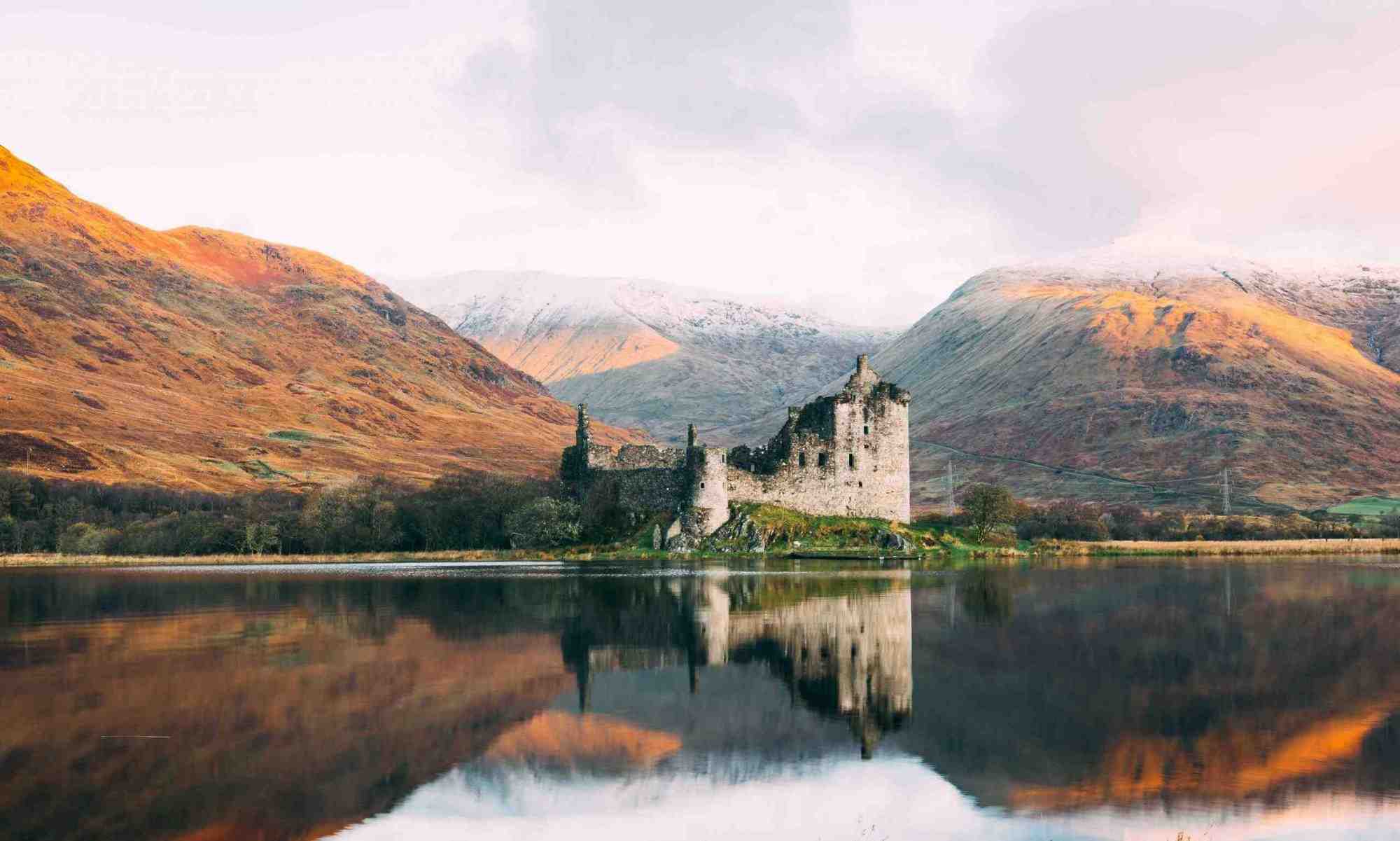

Iona Abbey is one of Scotland’s most sacred and historic sites — the cradle of Scottish Christianity, set on the tiny, windswept Isle of Iona off the southwest tip of Mull in the Inner Hebrides. Founded by the Irish monk St Columba in AD 563, Iona became a powerhouse of early medieval faith, learning and art, and remains a place of pilgrimage to this day.
History
From his monastery on Iona, St Columba helped spread Christianity across Scotland, and the island is traditionally believed to be where the magnificent Book of Kells was begun. The abbey was a burial place of early Scottish kings — reputedly including Macbeth. After centuries of decline following the Reformation, the medieval abbey was restored in the 20th century and is now cared for by Historic Environment Scotland, while the spiritual Iona Community is based here.
What to see
- The restored Abbey church and cloisters, at the heart of the site.
- St Oran’s Chapel and the Reilig Odhrain — the ancient burial ground said to hold early kings of Scotland.
- The carved high crosses, including St Martin’s Cross, masterpieces of early medieval Celtic art.
- The Nunnery ruins — among the best-preserved medieval nunnery remains in Britain.
- The Iona Abbey Museum, displaying remarkable carved stones.
How to get there
Reaching Iona is a memorable journey: travel to Oban, take the ferry to Craignure on Mull, cross Mull by road to Fionnphort, then a short passenger ferry to Iona. It’s a long but rewarding trip, often done as a day excursion or part of a Hebridean tour. Cars stay on Mull — Iona is explored on foot. Explore more of the region in our Scottish Highlands guide.
Tips for visiting
- Allow a full day from the mainland given the ferry connections.
- Bring layers and waterproofs — the island is exposed to Atlantic weather.
- Combine with the boat trip to nearby Staffa and Fingal’s Cave in summer.
Frequently asked questions
Why is Iona Abbey important?
It’s the birthplace of Scottish Christianity, founded by St Columba in AD 563, and a burial place of early Scottish kings.
How do you get to Iona?
Via Oban, then ferry to Mull, across Mull to Fionnphort, then a short ferry to Iona.
Is Iona worth visiting?
Yes — it’s one of Scotland’s most atmospheric and spiritually significant places, rich in history and Hebridean beauty.