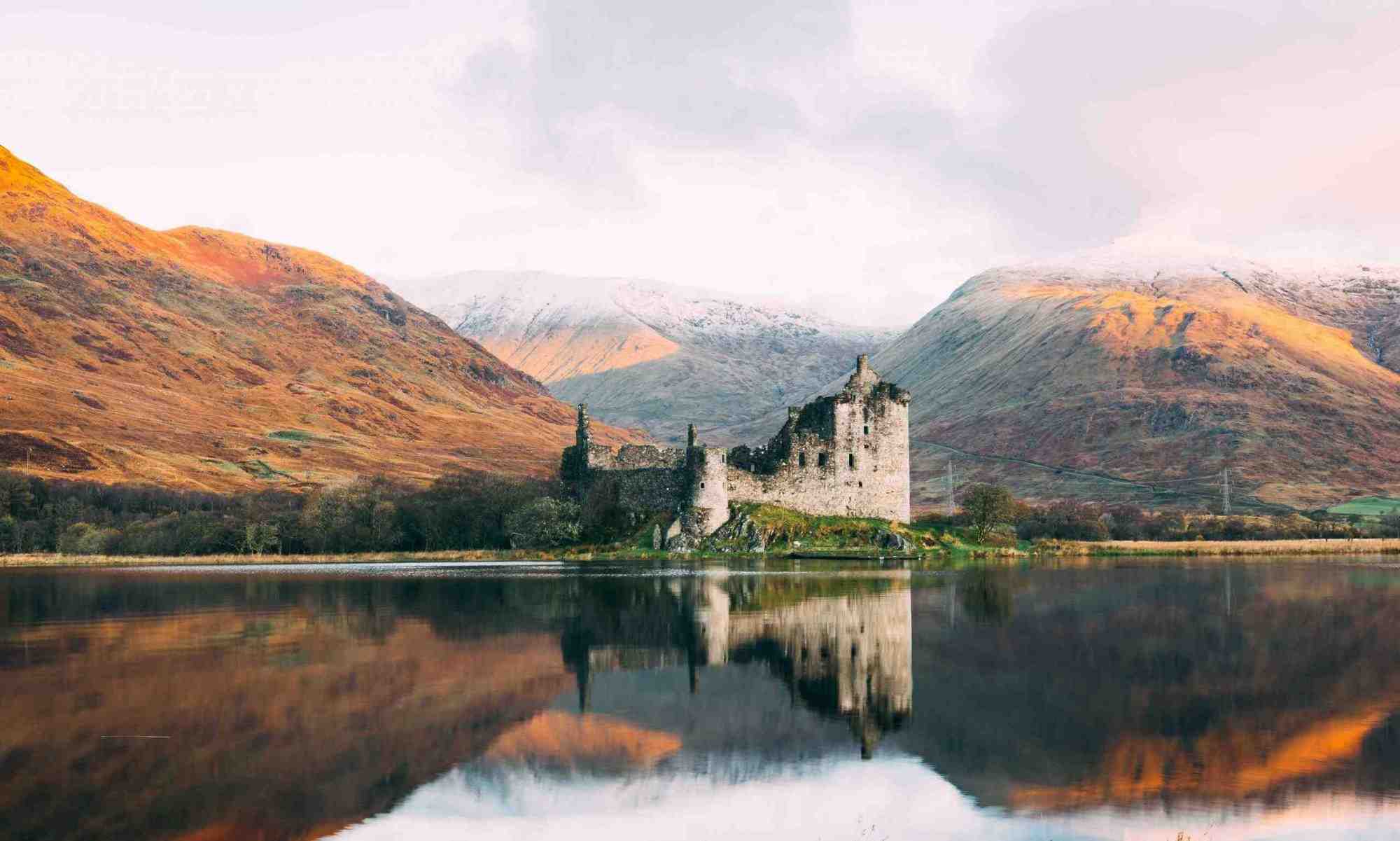


Often overshadowed by Edinburgh, Glasgow is Scotland’s largest city and arguably its most characterful – a place of grand Victorian architecture, world-class (and free) museums, a legendary live-music scene and some of the friendliest people you will meet anywhere. If you are wondering about the best things to do in Glasgow, where to stay and how it compares to the capital, this guide has you covered.
Why visit Glasgow
Glasgow rewards curiosity. It is a UNESCO City of Music, a hub for Charles Rennie Mackintosh design, a foodie and shopping destination, and a launchpad for the Highlands and Loch Lomond. Most of the best attractions are free.
Getting there and around
- Getting there: Glasgow Airport sits just west of the city; Central and Queen Street stations connect to Edinburgh in around 50 minutes and to the Highlands.
- Getting around: the compact centre is walkable; the small, circular Glasgow Subway is handy for the West End.
Top things to do in Glasgow
Kelvingrove Art Gallery and Museum
Glasgow’s most-loved museum: a magnificent building housing everything from Dalí to natural history and Scottish art – and it is free.
Glasgow Cathedral and the Necropolis
A rare survivor of the Scottish Reformation, beside the atmospheric Victorian Necropolis with sweeping views.
Riverside Museum
Zaha Hadid’s striking transport museum on the Clyde, with vintage trams and the tall ship Glenlee moored outside.
The Burrell Collection
A world-class art collection set in leafy Pollok Country Park.
The West End and Botanic Gardens
Glasgow’s most charming quarter – Byres Road cafés, the University of Glasgow’s cloisters and the Botanic Gardens glasshouses.
Live music and the OVO Hydro
Glasgow’s music scene is legendary, from tiny venues like King Tut’s to the vast OVO (SSE) Hydro arena. Check what is on while you are in town.
Glasgow itinerary (1–2 days)
- Day 1: Kelvingrove → University & West End → Botanic Gardens → evening gig or dinner in Finnieston.
- Day 2: Glasgow Cathedral & Necropolis → Riverside Museum → city-centre architecture → Burrell Collection if time allows.
Where to stay in Glasgow
The city centre is most convenient for first-timers; the West End suits a leafier base; the Merchant City is great for nightlife. Compare options in our Glasgow hotels guide.
Where to eat and drink
Glasgow’s dining scene has boomed, especially the Finnieston strip near the Hydro. See our Scotland restaurants guide.
Day trips from Glasgow
- Loch Lomond – Scotland’s largest loch, under an hour away.
- Stirling – castle, Wallace Monument and Bannockburn (see our Stirling & Forth Valley guide).
Charles Rennie Mackintosh and Glasgow’s architecture
Glasgow is a paradise for lovers of architecture and design, above all the work of Charles Rennie Mackintosh, the city’s most famous son and a giant of the Art Nouveau movement. Follow the Mackintosh trail to the Mackintosh at the Willow tearooms, the House for an Art Lover, the Lighthouse and the Hunterian’s recreated Mackintosh House. Beyond Mackintosh, the city centre is a showcase of grand Victorian commercial architecture, while the Necropolis and the university’s Gilbert Scott building add Gothic drama.
More museums and galleries
Glasgow has more free museums and galleries than almost any UK city outside London. Alongside Kelvingrove and the Burrell, don’t miss the Gallery of Modern Art (GoMA) in the city centre, the People’s Palace telling the story of working-class Glasgow, the Hunterian (Scotland’s oldest public museum), and the family-friendly Glasgow Science Centre on the Clyde. Almost all are free to enter, making Glasgow a superb-value city break.
Shopping in Glasgow
Glasgow is the UK’s best shopping destination outside London. The so-called “Style Mile” around Buchanan Street, Argyle Street and the Italian Centre packs in high-street names, designer boutiques and elegant Victorian arcades, while the sprawling Barras market in the East End offers a grittier, more characterful browse at weekends.
Music and nightlife
A UNESCO City of Music, Glasgow has live music every night of the week. Catch rising bands at the legendary King Tut’s Wah Wah Hut, big names at the Barrowland Ballroom and the OVO Hydro, and club nights at institutions like the Sub Club. The city’s pubs and bars, especially in the West End and Finnieston, are famously warm and welcoming.
Glasgow with kids
Families are well served: the Riverside Museum and its tall ship, the hands-on Glasgow Science Centre, Kelvingrove’s natural-history galleries and the wide green spaces of Glasgow Green and Pollok Country Park (home to the Burrell and a herd of Highland cattle) keep all ages happy, mostly for free.
Best time to visit Glasgow
Glasgow is a year-round city break. Late spring to early autumn brings the best weather and a packed calendar of festivals, summer sees the parks and beer gardens come alive, and the run-up to Christmas turns the centre festive with markets and lights. As a city, it is far less weather-dependent than the Highlands – there is always an indoor museum or gig to duck into if it rains.
Glasgow vs Edinburgh
Edinburgh wins on classic good looks and headline history; Glasgow wins on energy, music, museums, shopping and value. The cities are under an hour apart – visit both.
Glasgow’s parks and the Clyde
For a big city, Glasgow is remarkably green – its very name is said to mean “dear green place.” Stroll the Victorian Botanic Gardens and their glasshouses in the West End, relax in Kelvingrove Park beneath the university, explore historic Glasgow Green with the People’s Palace, or escape to sprawling Pollok Country Park, home to the Burrell Collection and a fold of Highland cattle. Along the regenerated River Clyde you can walk or cycle past the Riverside Museum, the Science Centre and the Hydro.
More day trips from Glasgow
Beyond Loch Lomond and Stirling, Glasgow makes a great base for the Falkirk Kelpies and Falkirk Wheel, the UNESCO World Heritage village of New Lanark, the seaside resorts of the Ayrshire coast and Robert Burns country, and even day tours into the Trossachs and the southern Highlands. Frequent trains and an extensive bus network make many of these easy without a car.
How long do you need in Glasgow?
Two days is enough to enjoy the headline museums, the West End and the city-centre architecture at a relaxed pace. Add a third or fourth day if you want to fit in day trips to Loch Lomond or Stirling, dig deeper into the Mackintosh trail, or simply soak up the city’s famous nightlife and food scene.
Getting around Glasgow
Glasgow’s city centre is laid out on a walkable grid, so most central sights are easy to reach on foot. The Glasgow Subway – the small, circular orange line affectionately nicknamed the “Clockwork Orange” – is handy for hopping out to the West End and Kelvingrove, while an extensive bus and suburban-rail network covers everywhere else, including day-trip destinations. Taxis and ride-hailing are plentiful, and the two main stations, Central and Queen Street, sit a few minutes apart in the heart of town for onward travel to Edinburgh, Loch Lomond and the Highlands.
Frequently asked questions
Is Glasgow worth visiting?
Definitely. Its free museums, music scene, architecture and food make it one of the UK’s most underrated city breaks.
How many days do you need in Glasgow?
One to two days covers the highlights; add more for day trips to Loch Lomond or Stirling.
Glasgow or Edinburgh – which is better?
Edinburgh is more traditionally scenic and historic; Glasgow is livelier, more cultural and better value. Both are easy to combine.
Is Glasgow safe for tourists?
Yes – use normal big-city common sense, but the main visitor areas are welcoming.
What is the best area to stay in Glasgow?
The city centre for convenience, or the West End for a more relaxed, café-culture base.
What is Glasgow famous for?
Glasgow is famous for its friendly people, its live-music scene as a UNESCO City of Music, the design legacy of Charles Rennie Mackintosh, its grand Victorian architecture and its wealth of free museums and galleries.
Is Glasgow a good base for day trips?
Excellent – Loch Lomond, Stirling, the Trossachs and the Falkirk Kelpies are all within about an hour, making Glasgow a great base for exploring central Scotland.
How many days do you need in Glasgow?
Two days covers the main sights; three or four lets you add day trips to Loch Lomond or Stirling and explore the music and food scene more fully.
Is Glasgow expensive to visit?
Glasgow is generally good value, helped by its many free museums and galleries. Accommodation and dining are typically cheaper than in Edinburgh, especially outside major events.
Do you need a car in Glasgow?
No – the city centre is walkable and well served by the Subway, buses and trains, and many day trips are reachable by public transport. A car is only really useful for touring the wider region at your own pace.
Glasgow makes a great gateway to the west – combine it with Stirling and a Highlands road trip via Glencoe.
Header image: Zhi Yong Lee from Glasgow, UK, CC BY 2.0, via Wikimedia Commons