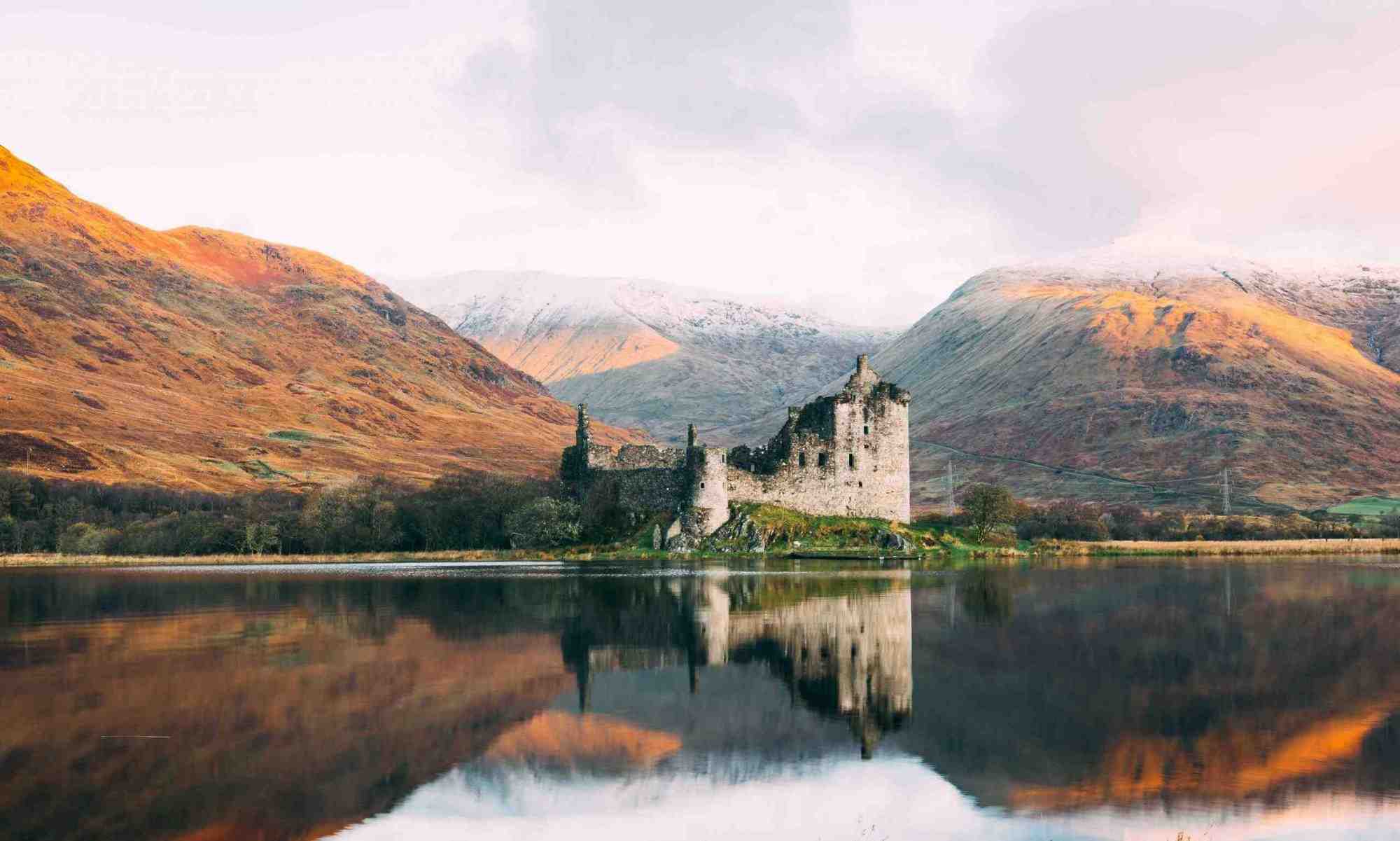


The Isle of Skye is the kind of place that ruins you for other destinations. Misty mountains, sea cliffs, fairy-tale rock formations and single-track roads that wind past lochs and crofts – this is the Scotland of postcards and daydreams. This Isle of Skye guide covers the best things to do, how to get there, where to stay and when to go, so you can plan a trip that lives up to the hype.
Skye is the largest of the Inner Hebrides, around 50 miles long, and despite its remote feel it is one of the most accessible islands in Scotland – you can drive straight onto it over a bridge.
Why visit the Isle of Skye
Skye packs an astonishing variety of landscapes into a small island: the jagged Cuillin mountains, the otherworldly pinnacles of the Trotternish ridge, waterfalls, sea stacks and white-sand beaches. Add a strong Gaelic culture, fresh seafood, a famous whisky distillery and some of the best hiking in Britain, and it is easy to see why Skye tops so many Scotland itineraries.
How to get to the Isle of Skye
- By car (the Skye Bridge): The most popular route, crossing from Kyle of Lochalsh on the mainland – free and open year-round, so no ferry booking is needed. Skye is roughly a 5–5.5 hour drive from Edinburgh or Glasgow, and about 2 hours from Inverness.
- By ferry: A scenic alternative is the Mallaig–Armadale ferry to the south of the island (book ahead in summer).
- By tour: If you do not drive, multi-day small-group tours run from Edinburgh, Glasgow and Inverness.
- By public transport: The train to Kyle of Lochalsh plus local buses is possible but limits how much you will see; a car is strongly recommended.
Best time to visit Skye
Late spring (May) and early autumn (September) are the sweet spots: long daylight, fewer crowds than peak July–August, and the dreaded Highland midges are less of a problem than in mid-summer. Summer brings the best weather odds and near-endless daylight but also the most visitors. Winter is dramatic and quiet, but daylight is short and some facilities close.
Top things to do on the Isle of Skye
The Old Man of Storr
Skye’s most iconic sight – a cluster of ancient rock pinnacles towering above the Trotternish peninsula. The path up is steep but short (around 1.5 hours return); arrive early to beat the crowds.
The Quiraing
A surreal landscape of landslips, hidden plateaus and craggy ridges, with one of the finest circular walks on the island – and a jaw-dropping access road.
The Fairy Pools
A series of crystal-clear blue-green pools and waterfalls in Glen Brittle, beneath the Cuillin. The walk in is easy and family-friendly.
Neist Point Lighthouse
The westernmost point of Skye and a sunset favourite, with dramatic sea cliffs and the chance of spotting whales and dolphins offshore.
Portree
Skye’s pretty harbour capital, with its row of brightly painted houses, is the island’s main hub for restaurants, shops and accommodation.
Dunvegan Castle
The seat of Clan MacLeod for 800 years, with formal gardens and seal-spotting boat trips on the loch.
Talisker Distillery
Skye’s only malt whisky distillery, at Carbost, produces a famously peppery, maritime single malt. Tours are popular – book ahead. See our Talisker whisky guide.
Suggested Isle of Skye itinerary
- 1 day: Old Man of Storr → Kilt Rock & Mealt Falls → Quiraing drive → Portree.
- 2 days: Add the Fairy Pools, Neist Point for sunset, and Dunvegan Castle.
- 3 days: Add a Cuillin walk or boat trip, the Fairy Glen, Talisker Distillery and quieter corners like Elgol.
Two to three nights is ideal – driving times between sights are longer than the map suggests.
Where to stay on Skye
Portree is the most convenient base for first-timers. Dunvegan, Uig and the Sleat peninsula offer quieter stays. Book well in advance for summer. Browse our Scotland accommodation guide.
Practical tips for visiting Skye
- Roads are narrow: expect single-track roads with passing places – pull in to let others pass.
- Midges: pack repellent for summer evenings.
- Weather changes fast: bring waterproofs and layers year-round.
- Fuel up: petrol stations are limited.
Getting around the Isle of Skye
Skye is larger than it looks on the map, and a car is by far the best way to explore it. Many of the roads are single-track with passing places, so distances take longer than you’d expect – always allow more time than the satnav suggests, and pull into passing places to let oncoming and faster traffic through. There are no trains on the island and bus services are limited, so self-driving (or a guided tour) is strongly recommended. Fuel up in Portree or Broadford, as petrol stations are sparse elsewhere, and watch for sheep on the road, especially after dark.
Skye’s beaches and hidden corners
Beyond the headline sights, Skye rewards slower exploration. Seek out the white shell sand of Coral Beach near Dunvegan, the black sands and towering sea stack of Talisker Bay, and the dramatic little village of Elgol, where boat trips sail into Loch Coruisk beneath the jagged Cuillin. On the east coast, Kilt Rock and Mealt Falls plunge straight into the sea, while the Skye Museum of Island Life near Duntulm preserves traditional thatched crofts. These quieter corners are where Skye’s magic really sinks in.
Hiking on Skye
Skye is one of Britain’s premier hiking destinations. Shorter walks lead to the Old Man of Storr, around the Quiraing and up to the Fairy Pools, while the Cuillin – both the rocky Black Cuillin and the gentler Red Cuillin – offer some of the most serious mountaineering in the country. The Black Cuillin ridge is for experienced scramblers only, and hiring a local guide is wise; Sligachan makes a classic base for walkers. Whatever your level, check the forecast, carry layers and waterproofs, and tell someone your plans.
Where to eat and drink on Skye
For its size, Skye has an outsized reputation for food. Portree is the best place for choice, from fresh-off-the-boat seafood to cosy pubs, while the island is also home to celebrated destination restaurants and welcoming country inns such as the Stein Inn on the Waternish peninsula. Seafood – langoustines, oysters, scallops and smoked salmon – is the star, often landed just down the road. Tables fill fast in summer, so book dinner well ahead, especially for the better-known spots.
Skye on a rainy day
Skye’s weather is famously changeable, but a wet day needn’t spoil the trip. Take a tour and tasting at Talisker Distillery, explore Dunvegan Castle and its history, learn about crofting life at the Skye Museum of Island Life, or browse galleries and cafes in Portree and at the Aros Centre. Many of Skye’s landscapes are arguably at their most atmospheric under brooding skies, so don’t be afraid to head out between the showers.
Combine your visit
Skye sits at the end of one of Scotland’s great road-trip routes. Many visitors approach via Fort William and the Glenfinnan Viaduct along the “Road to the Isles” (with the option of the Mallaig ferry), or from the north via Loch Ness and Inverness. It pairs beautifully with the dramatic glen of Glencoe and can even be tagged onto a North Coast 500 road trip. See our full Highlands guide.
Frequently asked questions
How many days do you need on the Isle of Skye?
Two to three days lets you see the highlights without rushing. A single day only scratches the surface.
Is the Isle of Skye worth visiting?
Absolutely – its mix of dramatic scenery, hiking, history and food makes it one of Scotland’s most rewarding destinations.
Can you visit Skye without a car?
You can reach Skye by train and bus and join guided tours, but a car gives the most freedom. Tours are the best car-free option.
How far is Skye from Edinburgh?
About 5 to 5.5 hours by car, so most visitors stay at least two nights.
When is the best time to visit Skye?
May and September offer the best balance of good weather, long days, fewer crowds and fewer midges.
Do you need a car on Skye?
Effectively, yes – there are no trains and limited buses, so a car (or a guided tour) is the practical way to reach Skye’s viewpoints and trailheads.
How do you get from Inverness to Skye?
It’s roughly a two-hour drive via Loch Ness and the scenic A87, making Inverness a popular gateway to the island from the north and east.
When can you avoid the midges on Skye?
Highland midges are most active from roughly June to August, particularly on still, damp evenings near water. Visiting in late spring (May) or autumn (September–October) greatly reduces them, and a breeze or repellent helps at any time.
Planning a wider trip? Pair Skye with the North Coast 500, Loch Ness and Glencoe, or see our full Highlands guide.
Header image: Klaus with K, CC BY-SA 3.0, via Wikimedia Commons