
Hotels in Scotland
Scotland has hotels in every register: international chains in the cities, Victorian shooting lodges turned country house hotels, coaching inns on old drove roads, design-led boutiques in converted warehouses, golf resorts on the links coast, and family-run hotels on islands where the building is also the pub, the restaurant and the only place to get a coffee after four o’clock.
There are plenty of recognisable hotel chains across the central belt and the main cities. Travel into the Highlands and Islands and those thin out quickly, replaced by independent and boutique hotels – which is usually an upgrade in character and hospitality, and occasionally a downgrade in bathroom plumbing. This guide explains the types, what they cost, when to book and what catches visitors out, then use the directory below to browse hotel listings by location.
The main types of hotel
City hotels and chains
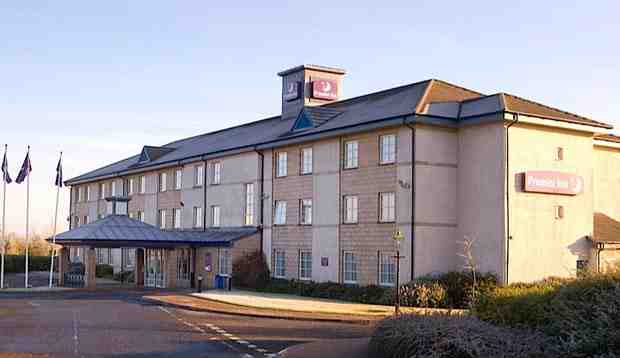
Edinburgh, Glasgow, Aberdeen, Dundee, Inverness, Stirling and Perth all carry the full range from budget chains through to five-star. Premier Inn, Travelodge, ibis, Motel One and Holiday Inn cover the reliable middle and lower end; the four- and five-star tier runs from international brands to grand Victorian railway hotels. Chains are predictable, centrally located and easy to book late. What they rarely give you is a sense of place.
Country house hotels
A Scottish speciality and, for many visitors, the highlight of a trip. These are large private houses – shooting lodges, lairds’ mansions, converted manses – set in grounds, usually with log fires, a serious kitchen, and a bar with more single malts than you can reasonably work through. They tend to be far better value in the shoulder seasons, and many run dinner, bed and breakfast rates that undercut booking the meal separately.
Coaching inns and village hotels
The traditional hotel of small-town Scotland: a bar used by locals, a dining room, and a handful of rooms upstairs. Standards vary enormously, from beautifully refurbished to defiantly unchanged since 1978. In much of the Highlands and on the islands this is the only category available, and a good one is worth planning a route around.
Boutique and design hotels
Concentrated in Edinburgh and Glasgow, with a growing number in Aberdeen, Dundee and the larger towns. Expect smaller room counts, a strong bar or restaurant, and a design point of view. Prices sit around the four-star mark but the experience is more distinctive.
Castle and historic hotels
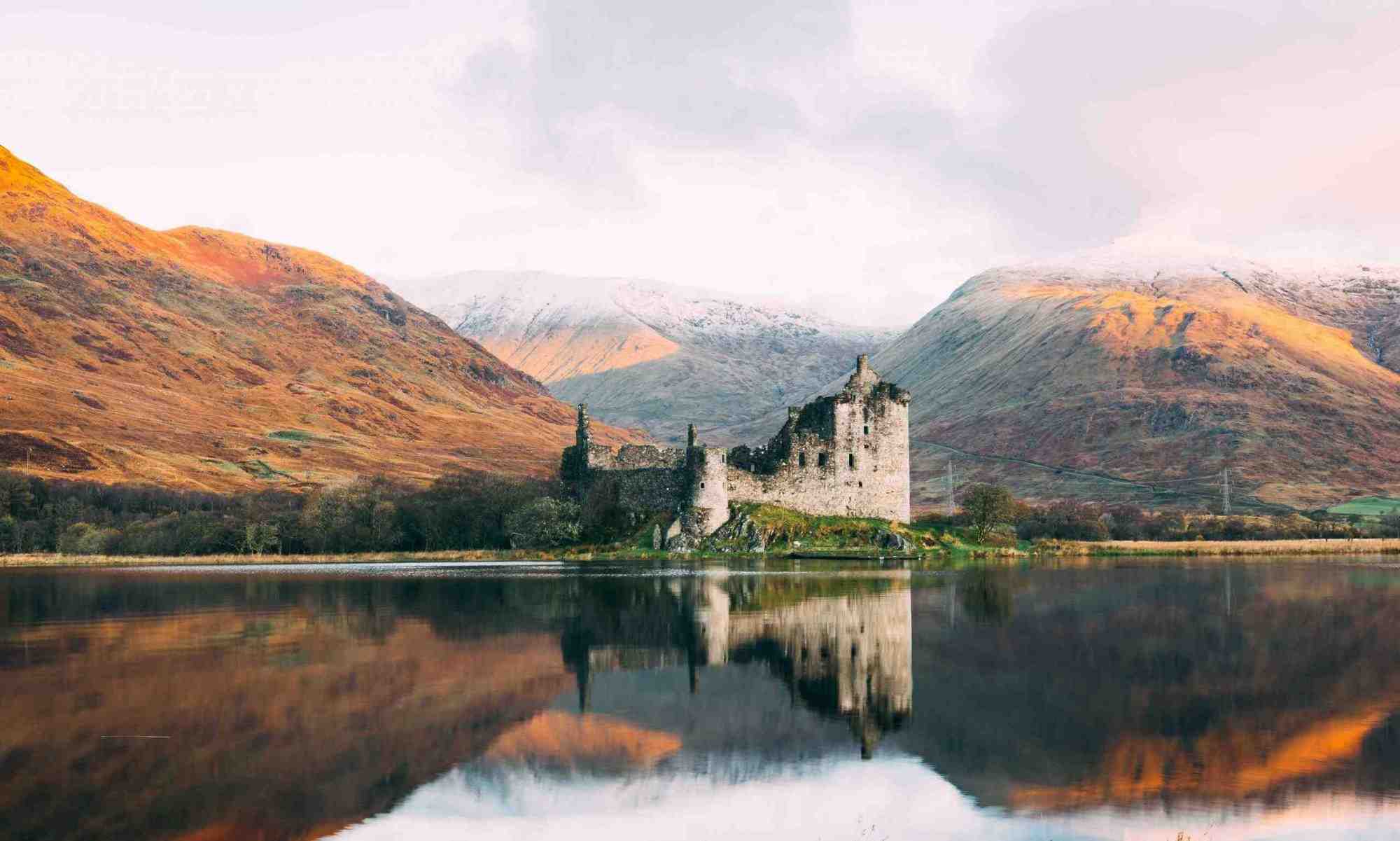
Scotland has a genuine supply of castles, tower houses and baronial piles operating as hotels, from turreted Victorian fantasies to real medieval fabric. They are expensive, they are frequently in the middle of nowhere, and for a special occasion they are hard to beat. Book far ahead for summer and for New Year.
Golf and spa resorts
Clustered along the East Lothian coast, around St Andrews, in Ayrshire and in Perthshire. These are destination properties with courses, spas and multiple restaurants, and they price accordingly – though midweek and out-of-season packages can be surprisingly reasonable.
Island and Highland hotels
A different proposition. Rooms are limited, seasons are short, and the hotel is often the social centre of the community. Two practical rules: book dinner when you book the room, because kitchens are small and close early, and check the property is open at all – many shut from November to March.
What hotels cost
Rates move a great deal by season, location and day of the week, but as a broad guide across a normal year:
- Budget chain, double room – roughly £60–£110 outside peak dates.
- Mid-range three or four star – around £110–£200.
- Country house hotel – from about £180, often with dinner-inclusive rates that represent better value than they first appear.
- Five star and castle hotels – £350 upwards, considerably more for suites and peak dates.
- Island and rural inns – typically £100–£170, with little discounting because supply is so tight.
Edinburgh is the outlier. Rates double or triple during the Festival Fringe in August, over Hogmanay, and on Six Nations rugby weekends. Glasgow is consistently better value for a comparable standard, and Aberdeen fluctuates with the energy industry – which means genuine bargains when the oil sector is quiet.
Star ratings and what they actually tell you
Many Scottish hotels display a star grading, and the schemes behind those stars have changed over the years. Treat stars as a rough guide to facilities rather than to warmth, food or location – a three-star inn on a sea loch will often out-perform a four-star business hotel on a ring road for everything that makes a trip memorable. Recent reviews, and the hotel’s own photographs of actual rooms rather than the lobby, tell you more.
When to book
Scotland’s season is sharper than most visitors expect. May to September is peak, and July and August are genuinely busy.
- Six to twelve months ahead for the islands, the North Coast 500, Skye, and anything in Edinburgh in August or at New Year.
- Two to three months ahead for city hotels on normal dates.
- A few weeks is often enough in January, February and November, when rates are at their lowest.
April, May, September and October are the sweet spot: long enough days, most things open, noticeably lower prices and far fewer people. See the best time to visit Scotland for a month-by-month view.
Book direct where you can
Comparison sites are useful for seeing what exists, but with independent Scottish hotels there is often a real advantage to booking direct. Small properties pay substantial commission on platform bookings, and many will match or better the online rate, upgrade a room, or hold a dinner table if you phone or email. In the Highlands and Islands a direct conversation also gets you honest advice about arrival times, ferry connections and whether the road you are planning to drive is currently open.
Read the cancellation terms carefully. A small hotel with eight rooms enforces tighter deposit and notice periods than a city chain, for the obvious reason that one empty room matters.
The visitor levy
Scottish councils now have the power to charge a visitor levy – a percentage added to the cost of overnight accommodation, collected by the hotel and passed to the council. Edinburgh is the first city to introduce one and other councils have been working through their own schemes. Rates, start dates, exemptions and the number of nights charged differ by council and are still bedding in, so check what applies to your destination and dates. Most booking platforms now show it as a separate line, and some hotels collect it at check-in.
Practical points that catch people out
- Breakfast is often extra at chain and four-star hotels, and usually included at smaller independents and inns. A full Scottish breakfast will feature square sausage, black pudding, tattie scones and often haggis.
- Parking is rarely free at city hotels, and city-centre parking is expensive and heavily controlled. If you are driving, confirm parking before booking – see driving in Scotland.
- Single-night stays are sometimes refused at small rural and island properties in high season; two nights minimum is common.
- Old buildings mean steep stairs, no lift, uneven floors, small bathrooms and variable soundproofing. That is part of the appeal until midnight on a Saturday.
- Accessibility varies hugely. Do not rely on a general accessibility tick box – contact the hotel and ask specifically about step-free entrances, ground-floor rooms, shower dimensions and parking distance.
- Dogs are welcome at a high proportion of Scottish hotels, usually for a small nightly charge. Ask when booking rather than on arrival.
- Kitchen hours in rural areas are early. Last orders at 8pm is normal, and 8.30pm is late. Plan your driving day around dinner, not the other way round.
- Midges affect outdoor dining and beer gardens on the west coast and in the Highlands from roughly June to early September. They have no interest in your room rate.
Where to stay, city by city
Edinburgh has the largest and most expensive market in Scotland, split between the Old Town, the Georgian New Town, the West End, Leith and the cheaper airport corridor. Our guide to Edinburgh hotels covers the neighbourhoods in detail, with hotels near Edinburgh Airport for early flights and festival-period budgets, and places to stay in Edinburgh for the more memorable properties.
Glasgow offers better value than Edinburgh for a comparable standard, with strong options in the Merchant City, around Central Station and in the West End – see Glasgow hotels.
Aberdeen has a large hotel stock built for the energy industry, which makes weekends and quiet periods unusually good value – see Aberdeen hotels.
Stirling works well as a central base for the Trossachs, Loch Lomond and the Forth Valley, within an hour of both major cities – see Stirling hotels.
Inverness is the gateway to the north and the usual start or end point of the North Coast 500, so book early in summer – see Inverness.
Oban and Fort William are the west coast hubs for ferries, islands and the mountains – see Oban and Fort William.
Choosing a base rather than moving every night
Distances in Scotland take longer than the map suggests, particularly on single-track Highland roads. Two or three well-chosen bases with day trips out will nearly always beat a different hotel every night – you unpack once, you eat better, and you spend your time looking at the country rather than at the A82.
Sensible pairings: Edinburgh for the east and the Borders; Fort William or Glencoe for the west Highlands; Inverness for Loch Ness and Speyside; Oban for the Argyll islands. Our Scotland itineraries set out routes that keep the driving sensible.
Hotels or something else?
A hotel is not always the right answer. For stays over three nights, or for families, self-catering usually wins on both cost and freedom – particularly in the Highlands and Islands where restaurants are scarce and close early. Note that all short-term lets in Scotland have required a council licence since October 2023, so book licensed properties through established operators.
Bed and breakfasts and guest houses deliver better breakfasts and better local knowledge than most hotels at a lower price. Scotland’s hostels are unusually good and many now offer private ensuite rooms. Campsites and glamping suit the outdoors-focused trip. Our full accommodation guide compares all of them.
The bar is part of the trip
In Scotland the hotel bar is rarely an afterthought. Country house hotels and Highland inns often keep a whisky list running to several hundred bottles, including distillery-only releases and independent bottlings you will not find at home, and the person behind the bar will usually be glad to steer you through it. If a whisky trip is the point of your visit, choosing hotels for their bars is a legitimate planning strategy – and it solves the drink-driving problem, since Scotland’s limit is lower than England’s and effectively means no alcohol at all if you are driving.
Our Scotch whisky guide and the best distilleries to visit pair naturally with a hotel-led itinerary through Speyside or Islay.
Arriving late, and other timing traps
Small Scottish hotels are not staffed around the clock. Check-in windows of 4pm to 8pm are common in rural areas, and turning up at 10pm without warning can mean a locked door and a key safe you were never told about. If a ferry, a long drive or a delayed flight means a late arrival, tell the property in advance – almost all will make arrangements, but only if they know.
The same applies in reverse. Rural checkout is often 10am, earlier than city hotels, because the same small team cleans every room. And on the islands, ferry cancellations can leave you needing an unplanned extra night in a place with no spare rooms, so build slack into any itinerary that depends on a sailing.
Frequently asked questions
How much does a hotel in Scotland cost? Roughly £60–£110 for a budget chain, £110–£200 mid-range, and £180 upwards for country house hotels. Edinburgh in August is a category of its own.
When should I book? Six to twelve months ahead for the islands, the NC500 and Edinburgh in August or at New Year; two to three months for most city stays; a few weeks is often fine in midwinter.
Are Scottish hotels dog friendly? A great many are, usually for a small charge. Confirm when you book.
Is breakfast included? Usually at small independents and inns, usually not at chains and four-star city hotels.
Do hotels have parking? Rural and country house hotels almost always do. City-centre hotels frequently do not, and where they do it is generally charged.
Is there a tourist tax in Scotland? A visitor levy applies in Edinburgh, and other councils are introducing their own schemes. Check the current rate for your destination and dates when booking.
Do Highland hotels close in winter? Many do, typically November to March, along with a good proportion of rural restaurants and attractions. Always confirm before travelling out of season.
Browse hotels across Scotland
Use the directory below to search hotels by location and category, and view them on the map.