Last updated: August 2026
There’s no single “best” time to visit Scotland — it depends on what you want from your trip. Long summer days are perfect for the Highlands and islands, autumn paints the glens gold, winter brings cosy castles and the chance of snow, and spring offers fresh greenery with fewer crowds. This month-by-month guide breaks down the best time to visit Scotland by weather, daylight, crowds, prices and the famous Highland midge, so you can choose the season that suits your trip.
Scotland’s seasons in brief
Scotland has a temperate maritime climate, which is a polite way of saying the weather is changeable all year round. You can get four seasons in a day, so the smart approach is to pack layers and a waterproof whatever the month. That said, broad patterns hold: late spring and early autumn are the sweet spots, summer is busiest and brightest, and winter is quiet, dark and atmospheric.
- Spring (Mar–May): fresh, green, fewer crowds, lengthening days.
- Summer (Jun–Aug): warmest, longest days, busiest and most expensive — plus midges.
- Autumn (Sep–Nov): golden colours, smaller crowds, decent weather early on.
- Winter (Dec–Feb): short days, cold, quiet, festive cities and possible snow.
The short answer: May, June and September
For most visitors, May, June and September are the best months overall. You get long daylight hours, the best odds of dry weather, manageable crowds and — crucially — fewer midges than the July–August peak. If you’re planning a Highlands or Isle of Skye trip, these months are ideal.
Month-by-month guide
January
The quietest, coldest month. Days are short (around 7 hours of daylight) but cities like Edinburgh are atmospheric and cheap after Hogmanay. Good for whisky tours, museums and snow sports in the Cairngorms. Many rural attractions and some island ferries run reduced winter schedules.
February
Still cold and quiet, but daylight is noticeably returning. February often has crisp, clear spells that are wonderful for photography, and it’s prime time for the Cairngorms ski season. A good month for a budget city break.
March
Spring begins. The landscape starts to green up, lambs appear and daylight stretches past 12 hours by month’s end. Weather is unpredictable but prices are still low and crowds thin. A solid shoulder-season choice.
April
One of the driest months in many parts of Scotland, with daffodils everywhere and the Highlands waking up. Crowds are still modest. Easter can be busy at headline attractions, but otherwise April is excellent value.
May
Arguably the best month of all: long days, the best chance of dry, sunny spells, blooming gorse and rhododendrons, and the midges not yet out in force. The Highlands and islands are at their fresh best. Highly recommended.
June
Peak daylight — in the far north it barely gets dark, with up to 18 hours of light. Warm (for Scotland), green and glorious, though the first midges appear near water in the Highlands. Busier and pricier than May but still wonderful, especially for the North Coast 500.
July
The warmest month and the height of the tourist season. Expect the biggest crowds, highest prices and peak midge activity in the western Highlands and islands. Cities buzz with festivals. Book accommodation well ahead.
August
Festival season — Edinburgh’s Fringe, International Festival and Military Tattoo make the capital electric, but the city is packed and expensive. The countryside is lush and warm, with midges still around. Vibrant if you don’t mind crowds.
September
A favourite among repeat visitors: the crowds thin, prices drop, the weather is often settled and the midges fade. The heather is still purple early in the month and autumn colour begins. An ideal time for the Highlands, Loch Ness and a road trip.
October
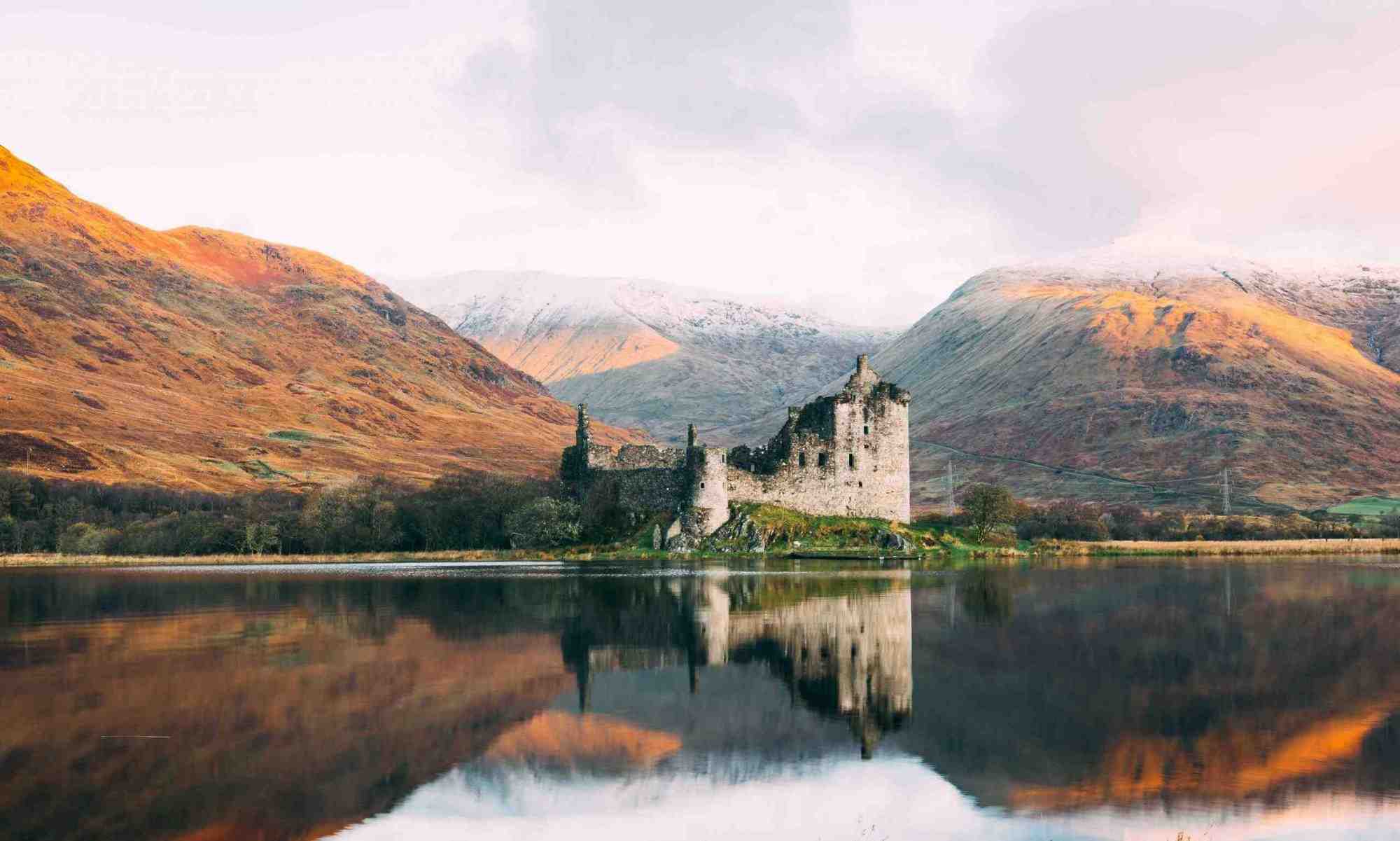
Autumn at its most spectacular — golden birch and bracken across the glens, especially in the Cairngorms and Perthshire (“big tree country”). Days shorten and the weather cools, but the colours are unbeatable and crowds are light.
November
The quiet, dark run-up to winter. Weather can be wet and windy, daylight is short, and some rural sites close, but cities are cosy and cheap, and you’ll have the big sights almost to yourself. St Andrew’s Day (30 Nov) marks Scotland’s national day.
December
Festive and magical in the cities, with Christmas markets and lights, building to Hogmanay — Scotland’s legendary New Year celebration. Days are at their shortest (around 7 hours of light) and the Highlands can be snowy and beautiful but challenging to drive.
What about the midges?
The Highland midge is the one genuine seasonal nuisance. These tiny biting insects swarm in still, damp conditions in the western Highlands and islands, roughly from late May to early September, peaking in July and August. They’re worst at dawn and dusk and near water. To avoid the worst of them, visit in spring or autumn, stay near the breezy coast, and pack repellent and a midge net if you’re camping or hiking in summer.
Weather and daylight at a glance
- Warmest months: July and August (highs around 15–19°C / 59–66°F).
- Driest areas: the east coast (Edinburgh, Aberdeen) is drier than the west.
- Longest days: June, with up to 18 hours of daylight in the north.
- Shortest days: December, with as little as 7 hours of daylight.
- Snow: most likely December–March, mainly in the Highlands and Cairngorms.
Best time to visit for different trips
- First-time Highlands tour: May, June or September — see our 7-day Scotland itinerary.
- City break (Edinburgh/Glasgow): any time; spring and autumn for value, December for festive magic, August for festivals.
- Road trips (NC500): May–September for open roads and long days.
- Skiing and winter sports: January–March in the Cairngorms.
- Autumn colours: October, especially the Cairngorms and Perthshire.
- Budget travel: November to March (excluding the festive period).
Planning a longer trip? This guide is part of our complete Scotland itineraries hub — compare routes from 5 to 10 days and build your own.
Frequently asked questions
What is the best month to visit Scotland?
May and September are the best all-round months — long days, good weather odds, manageable crowds and few midges. June is also excellent but busier.
What is the cheapest time to visit Scotland?
November to March (apart from the Christmas and Hogmanay period) offers the lowest prices on flights and accommodation, though days are short and some rural sites close.
When should I avoid visiting Scotland?
If midges and crowds bother you, avoid July and August in the western Highlands and islands. If you want long days and open attractions, avoid the depths of winter.
Does it rain all the time in Scotland?
No — while Scotland is famously changeable, the east coast is relatively dry and spring is often the driest season. Pack layers and a waterproof and you’ll be fine in any month.
When is the best time to see the Northern Lights in Scotland?
Between late autumn and early spring (roughly October to March), on clear, dark nights in the far north — the further north you are, the better your chances.