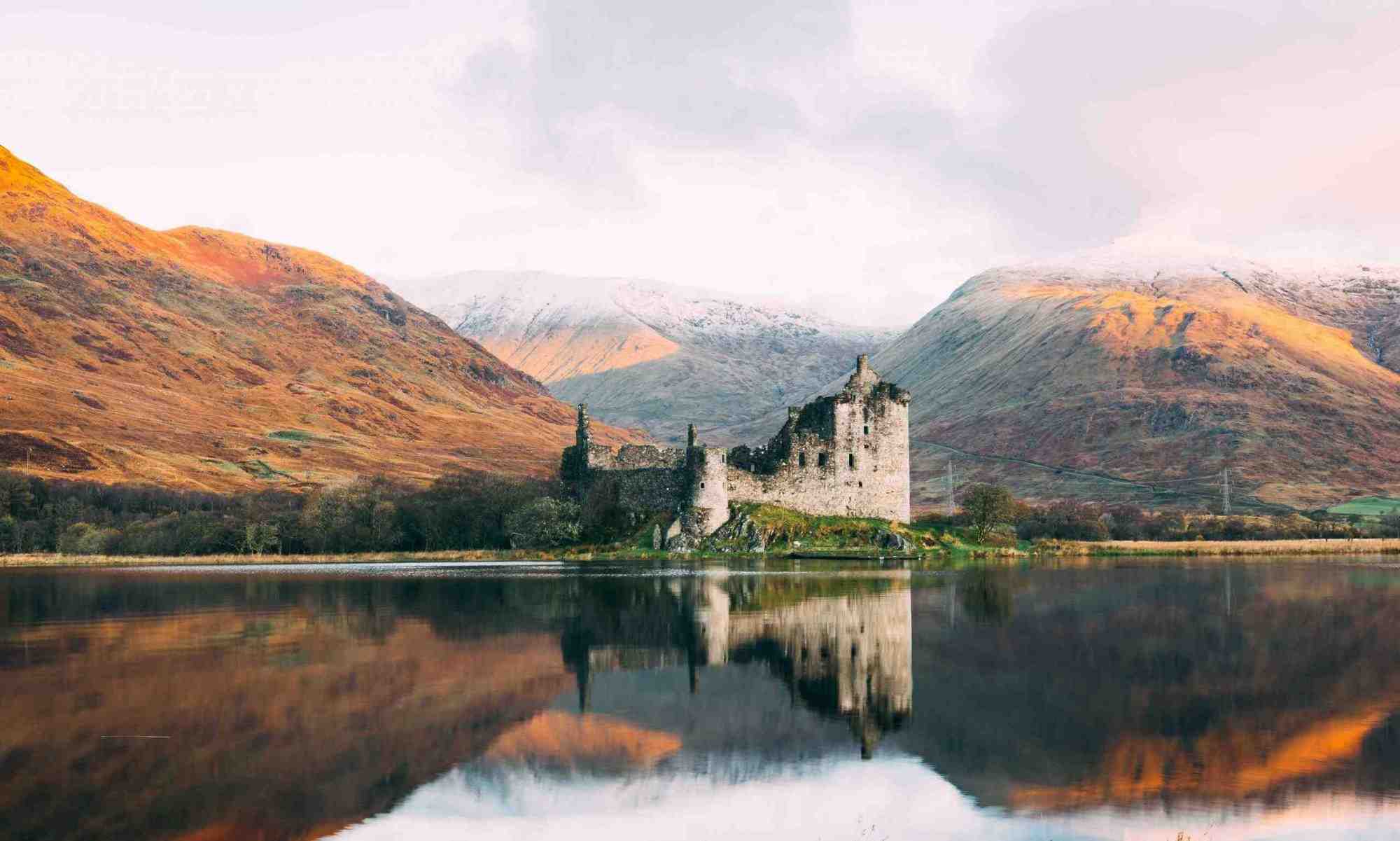

Bunnahabhain is the gentle giant of Islay. Tucked away at the end of a winding single-track road on the island’s remote north-east coast, it is unusual among Islay distilleries for producing a largely unpeated, sherried and maritime style — making it one of the most approachable malts on an island famous for smoke.
History of Bunnahabhain
Founded in 1881 near Port Askaig, Bunnahabhain (pronounced “boo-na-hav-en”, Gaelic for “mouth of the river”) was built to supply malt for blends, and its whisky remains a component of several. Its isolated location, reached by a spectacular coastal road, is part of its enduring charm.
The distillery today
While most of Islay is defined by peat, Bunnahabhain built its reputation on a lightly peated to unpeated house style, rich in sherry-cask influence. In recent years it has also released more heavily peated expressions, giving it a foot in both camps.
The whisky
Bunnahabhain’s signature is a rich, gently sherried and lightly salty malt, with dried fruit, nuts and a soft maritime character. The 12 Year Old is the classic, alongside the no-age-statement Stiùireadair, the peated Toiteach, and older 18 and 25 Year Old expressions for those seeking greater depth.
Visiting Bunnahabhain
The scenic drive out to the distillery is rewarded with fine whisky and spectacular views over the Sound of Islay to the Paps of Jura. Its visitor centre offers tours and tastings in one of Islay’s most remote and beautiful settings.
Explore the other distilleries in our guide to Islay whisky, our overview of Scotch whisky regions, and the best whisky distilleries to visit.
This guide is part of our complete Scotch whisky guide — explore the whisky regions, distilleries and how to plan a whisky trip.
Frequently asked questions
Where is Bunnahabhain Distillery?
On the remote north-east coast of Islay, near Port Askaig, at the end of a winding coastal road.
Is Bunnahabhain peated?
Its signature style is largely unpeated and sherried, unusual for Islay, though it also makes peated releases such as Toiteach.
What does Bunnahabhain taste like?
Rich and gently sherried, with dried fruit, nuts and a light maritime saltiness.
How do you say Bunnahabhain?
It is pronounced “boo-na-hav-en”, Gaelic for “mouth of the river”.