
Edinburgh Hotels: Where to Stay in the Scottish Capital
Edinburgh is a small city with a very large hotel market, and choosing badly costs you both money and time. The centre is compact enough to walk across in half an hour, so the question is less about proximity than about which neighbourhood suits the trip you are taking – and, crucially, about when you are coming. This guide covers the areas, the price bands, the dates to avoid, and the practical details that catch visitors out. Browse the live hotel listings further down the page.
The dates that change everything
Edinburgh has three periods when accommodation prices detach from reality:
- August – the Festival Fringe, the International Festival, the Book Festival and the Military Tattoo run simultaneously. The city takes on roughly a million extra visitors and room rates commonly double or triple. Book six to twelve months ahead, or stay outside the centre.
- Hogmanay – the last week of December, with minimum-stay requirements and premium pricing across the board.
- Six Nations weekends in February and March, when a single Saturday can lift rates city-wide.
Outside those windows, Edinburgh is reasonable, and in January, February and November it is genuinely cheap. If your dates are flexible, that is the single biggest saving available to you.
Where to stay: the neighbourhoods
The Old Town
The Royal Mile, the Grassmarket and the closes and wynds running off them. This is the postcard Edinburgh – medieval, atmospheric, and steps from the castle and Holyrood Palace. Expect character hotels in old buildings, some with awkward stairs and no lift, and noise from the street on weekend nights. Best for first-time visitors on a short trip who want to walk everywhere.
The New Town
Georgian terraces north of Princes Street: elegant, quieter, and full of townhouse hotels behind classical facades. George Street and St Andrew Square hold several of the city’s smartest properties, and you are minutes from the shops of St James Quarter and Waverley station. Best for couples, business travel, and anyone who wants central without the crush.
The West End and Haymarket
A short walk west of Princes Street, with grand hotels along Princes Street itself, boutique properties on the quiet streets behind, and a cluster of business and chain hotels near Haymarket station. Handy for the airport tram, Murrayfield and the trains, and usually better value than the equivalent standard in the Old Town.
Leith and the waterfront
Two miles north, on the Firth of Forth, and now connected to the centre by tram. Leith has the best concentration of restaurants in the city, the Royal Yacht Britannia, and hotel rates noticeably below the centre. Best for repeat visitors, food-led trips and anyone happy with a 15-minute tram ride.
Southside, Newington and Bruntsfield
The student and residential quarters south of the Old Town, full of guest houses and small hotels in Victorian terraces. Prices are lower, breakfasts are generally better, and the walk into town is 15 to 25 minutes. Best for value, families and longer stays.
Stockbridge
A village within the city, twenty minutes’ walk from Princes Street, with delis, independent shops and the Botanic Gardens on the doorstep. Limited hotel stock but excellent guest houses and apartments.
The airport and the west
Chain hotels around the airport, Edinburgh Park and the Gyle, all on the tram line. Rates are a fraction of the centre, particularly in August, and parking is usually free. Best for early flights, drivers and festival-period budgets. See hotels near Edinburgh Airport.
What you get for your money
- Under £100 – budget chains (Premier Inn, Travelodge, ibis, Motel One), hostels with private rooms, and guest houses in Newington or Leith. Achievable outside peak dates; not in August.
- £100–£180 – the bulk of the market. Solid three- and four-star hotels, good townhouse B&Bs and serviced apartments, most within walking distance of the centre.
- £180–£350 – four-star city-centre hotels, design-led boutiques, and the better independent properties with restaurants worth eating in.
- £350 and up – the landmark five-stars on Princes Street and around St Andrew Square, country-house hotels on the city edge, and suites with castle views.
Serviced apartments are worth considering for stays of four nights or more, or for families – a kitchen and a washing machine change the economics of a week in an expensive city. Note that all short-term lets in Scotland now require a council licence, and Edinburgh operates a control area restricting new whole-property lettings, so book licensed properties through established operators.
The visitor levy
Edinburgh has introduced a visitor levy – a percentage charge added to the cost of overnight accommodation, collected by the property and passed to the council. It applies across hotels, B&Bs, self-catering and short-term lets. Rates, caps on the number of nights charged and exemptions are set locally and have been phased in, so check what applies to your dates when you book. Most platforms now show it as a separate line rather than folding it into the headline rate.
Practical points worth knowing
- Parking. Very few central hotels have their own car park, and street parking is controlled and expensive. If you are driving, either choose a hotel with confirmed parking or leave the car at a park-and-ride and take the tram or bus in. See driving in Scotland.
- Hills and stairs. Edinburgh is built on ridges and volcanic rock. A hotel that looks five minutes from the castle on a map may involve a steep climb or a flight of 60 steps. If mobility matters, ask specifically about the approach as well as the building.
- Old buildings. Much of the central stock is listed, which means no lift, uneven floors, small bathrooms and variable soundproofing. That is part of the charm, until 2am on a Saturday on the Grassmarket.
- Breakfast is usually extra at chain and four-star hotels, and included at guest houses. A proper Scottish breakfast at a good B&B is often better than the buffet you would pay £18 for.
- Check-in times tighten in peak season. If you arrive on an early flight, most hotels will store luggage.
Alternatives to a hotel
Edinburgh has a strong guest house tradition, particularly in the Southside and along the main approach roads, where Victorian villas have been run by the same families for decades – see guest houses. The city’s hostels are well run and many now offer private ensuite rooms at well below hotel rates. For something more unusual, our guide to places to stay in Edinburgh for an unforgettable experience covers the properties people remember years later, and the general accommodation guide covers the wider Scottish picture.
Staying outside Edinburgh
If the city is full or the prices are absurd, the rail network makes commuting in perfectly practical. Linlithgow is 20 minutes away, South Queensferry 15, Kirkcaldy and Dunfermline in Fife around 30 to 40, and Stirling and Falkirk under an hour. In August this can halve your accommodation bill, and you get a different town to explore in the evening.
How long to stay
Two nights covers the castle, the Royal Mile and the New Town at a rush. Three to four nights lets you add Arthur’s Seat, Leith, the galleries and a day trip. A week makes Edinburgh a base for the whole of southern and central Scotland. Our lists of the best things to do in Edinburgh and our Scotland itineraries will help you decide.
The hotels people talk about
Edinburgh’s landmark properties are worth knowing even if you do not book one, because they anchor the neighbourhoods around them. The Balmoral, the great railway hotel at the east end of Princes Street, keeps its clock running three minutes fast so nobody misses a train at Waverley below. The Caledonian, at the west end, is the other Victorian giant, and looks straight up at the castle rock. Around St Andrew Square and the New Town sit a cluster of newer luxury townhouse hotels, and the W at St James Quarter added a distinctly un-Georgian silhouette to the skyline when it opened.
At the more characterful end, the Witchery’s theatrical suites sit at the top of the Royal Mile, Prestonfield House occupies a 17th-century mansion in parkland below Arthur’s Seat, and Fingal in Leith is a converted lighthouse tender permanently berthed in the docks. None of these is cheap, but each is a genuinely distinctive stay rather than a room with a brand on the door.
Families and groups
Edinburgh hotel rooms are often small, and many historic buildings simply cannot take a family of four in one room. Three practical options: aparthotels and serviced apartments, which give you a kitchen, a sofa bed and a washing machine; the larger chain hotels on the city fringe, which have proper family rooms and parking; and self-catering flats in the New Town or Southside for stays of a week or more. For groups, guest houses in Newington and Bruntsfield can often take a whole building.
Five ways to pay less
- Move your dates. Even a week either side of the Festival changes the price completely.
- Move a mile. Leith, Newington and Haymarket are all walkable or a short tram ride, and consistently cheaper than the Old Town.
- Book refundable, then re-check. Rates move a lot in this city; rebooking a softened rate is common practice.
- Skip the breakfast add-on and eat in a cafe – Edinburgh does breakfast extremely well and usually for less than the hotel charges.
- Consider the train. A room in Linlithgow, Falkirk or Kirkcaldy plus two rail fares can undercut a central August rate by half.
Arriving and getting around from your hotel
Wherever you stay, Edinburgh is a walking city first. The centre is barely two miles across, the Old Town and New Town are separated by a single valley, and most visitors find they use public transport far less than they expected. Where you do need it, Lothian Buses cover the city comprehensively and accept contactless tapping, and the tram runs on a single line from the airport through the West End and city centre to Newhaven in Leith.
If you are arriving by air, the tram and the Airlink bus both drop within a few minutes’ walk of most central hotels – see our guide to Edinburgh Airport to the city centre. Arriving by train, Waverley puts you in the middle of everything and Haymarket serves the West End. Taxis are plentiful except immediately after a rugby international or a concert.
One thing to check before booking: whether your hotel is at the top or the bottom of the hill. Edinburgh is built on ridges, and a room in the Grassmarket or Old Town can mean a hundred steps back up at the end of a long day.
Frequently asked questions
What is the best area to stay in Edinburgh? The Old Town for first-timers and atmosphere, the New Town for elegance and quiet, Leith for food and value, the Southside for budget, and the airport corridor when the city is full.
When is the most expensive time to book a hotel in Edinburgh? August, during the festivals, followed by Hogmanay and Six Nations weekends.
How far in advance should I book? Six to twelve months for August or New Year; two to three months for most other periods; a few weeks is often fine in January and February.
Do Edinburgh hotels have parking? Most central ones do not. Check before booking if you are driving, and consider a hotel near the airport or a park-and-ride instead.
Is Leith too far out? No. The tram and frequent buses take about 15 minutes to the centre, and the restaurants are the best in the city.
Is there a tourist tax in Edinburgh? Yes – a visitor levy applies to overnight accommodation. Check the current rate and any caps when you book.
Browse hotels in Edinburgh and across Scotland
Use the listings below to search hotels by location and category, and view them on the map.


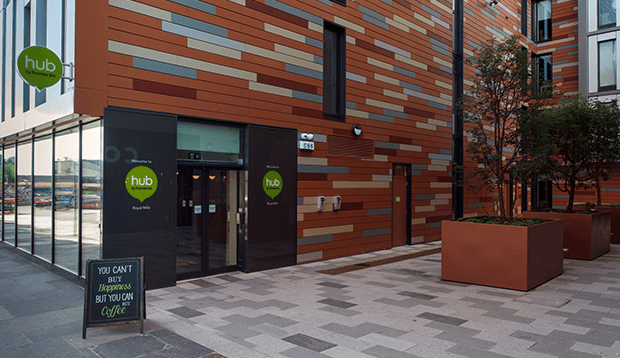
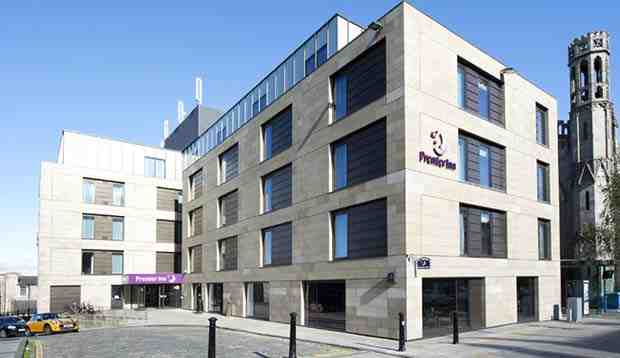
Edinburgh Hotels
Edinburgh hotels and accommodation match all types of budgets, from budget hostels to five star hotels. Edinburgh has it all. So the usual items to consider are issues such as the Price, the Quality of hotel, the Location and Tripadvisor scores. So all need to be focused on. Even the month of August can present challenges to finding accommodation when the Edinburgh festival is on. So in this topic we will look at the ideal Edinburgh hotels to stay at.
Location
Ideally most visitors to Edinburgh are here to see the tourist attractions and as such want to be based in the city centre. This can be broken down into three key areas. The Old Town, The New Town and the area near the Playhouse.
Playhouse Area
At the foot of Calton hill many new hotels have opened near the Playhouse. This area is just to the East of Princess street conveniently located next to the last tram Stop at York Place, the bus station and close to Waverley train station. Meaning an easy commute from the airport on the Tram as well as easy access to the nightlife in Rose street and George street. This area is also close to the shopping on Princess street, Wultree walk and when completed the St James Quarter. Edinburgh’s gay district is also centred around the Playhouse area with several bars and clubs.
As at July 2019 there are a few construction projects in the area. Firstly the St James shopping centre is being rebuilt after being demolished several years ago and secondly there are plans to extend the Edinburgh Tram to Ocean Terminal, because of these projects there are the usual construction site cranes and diversions.
The Old Town
The Old Town in Edinburgh is a warren of cobbled streets incorporating the Royal Mile ( the road between Edinburgh Castle & Holyrood Palace) and all of the surrounding areas. The Royal Mile is the central point that is easy to navigate as it is a sloping straight road. There are many lanes, steps and closes that are to the side of this that you can easily step back in time, wander around and get confused with your bearings. As the Old Town is on a hill with cobbled streets there is limited parking at any of the hotels however as it is so central to most of the key attractions you would not need a car unless you were planning to go further a field and our advice would be to pick up your rental car after your visit to Edinburgh.
Also located in the Old Town are the nightlife areas of the Cowgate and the Grassmarket. In August when the festival is on this area is also very central with many pop up venues such as Bristo Square, Teviot Row, the Pleasance courtyard. There are also many street performers on the Royal Mile. For restaurants there are many places to eat around the Royal Mile.