

Argyll & the Isles
Argyll and the Isles is a region located on the west coast of Scotland, consisting of the historic county of Argyll and a group of islands off the coast. This region is known for its stunning natural beauty, rich history, and vibrant culture.
Argyll and the Isles has a diverse landscape, ranging from rugged mountains and glens to picturesque coastlines and islands. It is home to some of Scotland’s most iconic natural landmarks, including the towering peak of Ben Nevis, the stunning Loch Lomond, and the mystical island of Iona. Visitors to this region can explore the great outdoors through hiking, kayaking, sailing, and other activities.
Aside from its natural beauty, Argyll and the Isles is also rich in history. The region has been inhabited for thousands of years, with evidence of human activity dating back to the Mesolithic period. Argyll and the Isles played an important role in Scottish history, with numerous battles and conflicts taking place throughout the region.
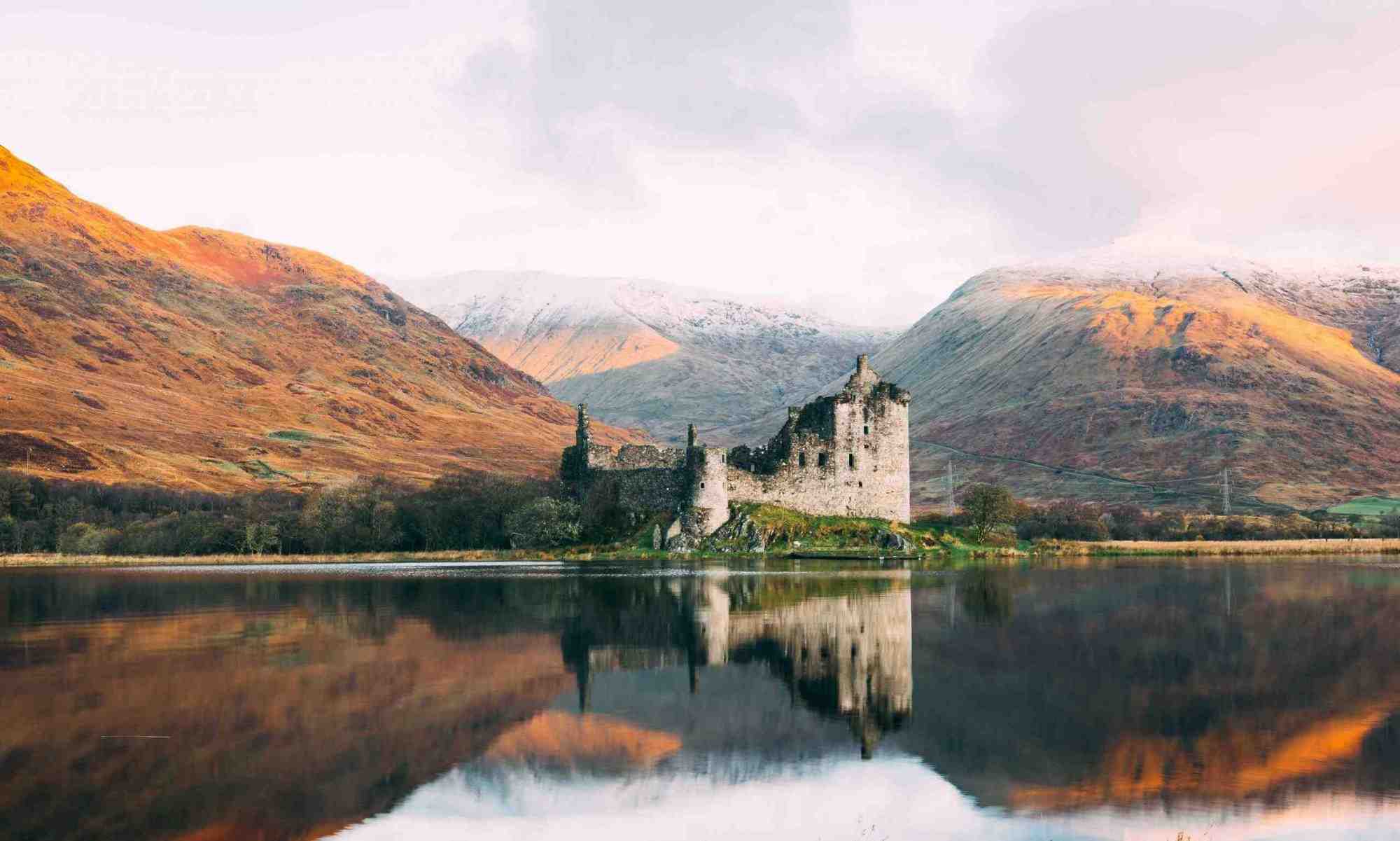
One of the most notable historical landmarks in Argyll and the Isles is the iconic Castle Stalker. This stunning castle, situated on a small island in Loch Linnhe, dates back to the 14th century and is steeped in legend and folklore. Other notable historical sites in the region include the ruins of the medieval Kilchurn Castle, the standing stones at Kilmartin Glen, and the fortified tower house of Dunstaffnage Castle.
The culture of Argyll and the Isles is also incredibly rich and diverse. This region is home to a vibrant Gaelic-speaking community, and visitors can immerse themselves in traditional music, dance, and storytelling. The region is also famous for its seafood, with local restaurants serving up fresh catches from the surrounding waters.
For those looking to explore the islands off the coast, Argyll and the Isles offers a wealth of opportunities. The Inner Hebrides are a group of islands located off the west coast of Scotland, including the popular destinations of Mull, Iona, and Skye. Each island has its own unique charm and attractions, from the rugged landscapes of Skye to the tranquil beaches of Tiree.
Argyll and the Isles is a region of Scotland that has something to offer for everyone. Whether you are interested in history, nature, or culture, this region is sure to captivate and inspire you. With its stunning natural beauty, rich history, and vibrant culture, Argyll and the Isles is a must-visit destination for anyone traveling to Scotland.
Where to Stay
Visit our Accommodation guides including our guide on hotels for the best places to stay.
Places to eat out
The Seafood Cabin – located in Isle of Skye, this casual restaurant offers fresh seafood straight from the boat.
The Pierhouse Hotel – situated in Port Appin, this award-winning restaurant serves contemporary Scottish cuisine using local produce.
Cuan Mor – located in Oban, this gastropub offers a range of dishes, from pub classics to modern Scottish cuisine.
The Ninth Wave – situated on the Isle of Mull, this restaurant focuses on using local and sustainable produce to create innovative dishes.
Inver – located in Strachur, this restaurant offers contemporary Scottish cuisine with an emphasis on fresh, seasonal ingredients.
The Three Chimneys – situated on the Isle of Skye, this Michelin-starred restaurant offers a range of dishes inspired by Scottish and Nordic cuisine.
The Tayvallich Inn – located in Tayvallich, this pub-style restaurant offers a variety of dishes, from seafood to vegetarian options, using locally sourced ingredients.
The Green Shack – located in Tobermory on the Isle of Mull, this seafood shack serves up fresh and delicious seafood with outdoor seating overlooking the harbor.
The George Hotel – situated in Inveraray, this historic hotel features a restaurant serving classic Scottish dishes, including game and seafood, in a traditional dining room.
Creel Seafood Bar – located in Lismore, this small seafood restaurant serves up delicious and fresh seafood with stunning views of the Isle of Mull and the mainland.
The View Restaurant – situated in Oban, this restaurant is known for its stunning panoramic views of the harbor and islands and serves up modern Scottish cuisine.
The Boat House – located in Port Appin, this restaurant specializes in seafood and offers stunning views of Loch Linnhe and the surrounding mountains.
Where are the best places to Shop
Oban – Oban is the largest town in the area and is a popular shopping destination. It offers a range of shops, from independent boutiques to high street brands, selling everything from local crafts and gifts to outdoor gear.
Tobermory – Tobermory is a picturesque fishing village on the Isle of Mull and offers a variety of independent shops selling local crafts, jewelry, and clothing.
Inveraray – Inveraray is a charming town on the shores of Loch Fyne and is known for its independent shops selling Scottish gifts and crafts.
Isle of Iona – The Isle of Iona is a small island located off the coast of Mull and is home to a number of independent shops selling local crafts, jewelry, and art.
Argyll Pottery – situated in Lochgilphead, this pottery studio offers a range of handcrafted pottery, including mugs, plates, and bowls, made using traditional techniques.
Isle of Skye Soap Company – located in Broadford on the Isle of Skye, this soap company offers a range of natural and handmade soaps, creams, and skincare products.
Attractions to visit in Argyll & the Isles
When visiting Argyll some of the must see places to visit are Dunollie castle, Tobermory and the Oban distillery.
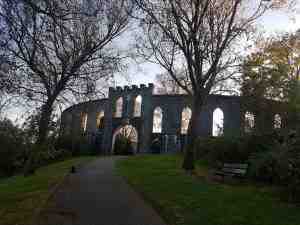
More information on ferry timetables and prices can be found on the Calmac website.
Additional Information
Argyll & the isles are located to the North West of Scotland. Some of the largest towns in the area are Campbeltown, Dunoon, Oban, Helensburgh, Garelochhead, Inverary, Lochgilphead, Rothesay and Tobermory. The area is very rural especially the further away from Glasgow you go. his vast area offers such a variety of scenery, places to see and attractions to visit.
Explore Argyll & the Isles: The Complete Guide
Argyll and the Isles is one of Scotland’s most rewarding regions to explore slowly. Stretching from the sea lochs of Cowal and the long finger of Kintyre out to the whisky island of Islay, the wildlife haven of Mull and the white-sand beaches of Tiree, it rewards travellers who take the ferries, follow the single-track roads and give each island time to reveal itself. The guides below break the region down into everything you need to plan a trip — how long to stay, which islands to choose, where to eat and drink, and ready-made routes you can follow day by day.
Planning Your Trip
Argyll is big, ferry timetables shape everything, and choosing the right islands makes or breaks a first visit. Start here:
- How many days do you need on Islay? — the honest answer for a first-time visitor.
- Getting to Islay: ferry vs flight — the two ways across, compared on cost, time and flexibility.
- Islay without a car — whether you can manage the island on buses, bikes and distillery transfers.
- Mull or Skye? and Islay, Jura or Mull? — two comparison guides to help you pick the island that fits your trip.
- Oban to Mull day trip — how to see the island in a single day from the mainland gateway.
The Best of Argyll & the Isles
Whether you are here for whisky, seafood, empty beaches or clifftop castles, these round-ups point you to the very best:
- The best Islay distilleries — how the nine working distilleries differ and which to prioritise.
- The best seafood restaurants in Oban — the seafood capital of Scotland, from the harbour shacks to white-tablecloth dining.
- The best beaches in Argyll and the Hebrides — the white sands most visitors never reach.
- The best castles in Argyll — from ruined keeps to lived-in strongholds.
- Kilchurn Castle photo guide — when and where to shoot Argyll’s most photographed ruin on Loch Awe.
Islands & Hidden Corners
Beyond the famous names, Argyll hides some of Scotland’s quietest and most characterful places. These are the ones worth the extra ferry or the longer drive:
- Isle of Gigha — the accessible “good island” with subtropical gardens and beaches.
- Isle of Colonsay — a tiny island of wildflowers, a brewery and Kiloran Bay.
- Isle of Tiree — the sunniest place in Britain and a surf and windsurf magnet.
- The Kintyre 66 road trip — the peninsula loop that rivals the far-north routes without the crowds.
- Kilmartin Glen — one of the richest prehistoric landscapes in Scotland, cairns, standing stones and carved rock.
Towns, Whisky & Distilleries
Two towns anchor most Argyll trips, and the region is world-famous for its whisky. Dig deeper here:
- Oban — the bustling “Gateway to the Isles” and its harbour town distillery.
- Tobermory — Mull’s postcard-perfect capital with its rainbow waterfront.
- Islay malt whisky — the peaty, smoky style that made the island legendary, and an introduction to Scotch whisky more broadly.
- Distillery guides: Lagavulin, Ardbeg, Bowmore, Jura, Tobermory and the mainland Oban distillery.
Ready-Made Itineraries
Prefer a route mapped out for you? These itineraries string the highlights together day by day:
- West Coast of Scotland itinerary — the classic run down the western seaboard.
- Whisky lover’s Islay itinerary — a distillery-focused island week.
- Argyll’s Secret Coast: a Cowal itinerary — the overlooked peninsula an hour from Glasgow.
- See all our routes on the Scotland itineraries hub.
Frequently asked questions
How many days do you need in Argyll and the Isles?
For a satisfying first trip, plan five to seven days. That gives you time for one or two islands plus the mainland highlights around Oban, Loch Awe and Kilmartin Glen. A single island such as Islay or Mull deserves at least three days once you factor in the ferry crossings, while a full tour of several islands can easily fill two weeks.
Which is the best island in Argyll to visit?
It depends on what you are after. Choose Islay for whisky, Mull for wildlife and the pretty capital of Tobermory, Tiree for beaches and watersports, and Gigha or Colonsay for peace and quiet. Our Mull or Skye and Islay, Jura or Mull comparisons walk through the trade-offs in detail.
Do you need a car in Argyll?
On the mainland and for island-hopping, a car makes life far easier because bus services are limited and timed around ferries. Some islands can be done without one — see our guide to visiting Islay without a car — but for most trips, especially if you want to reach beaches, distilleries and viewpoints on your own schedule, bringing a vehicle on the ferry is worth it.
How do you get to Argyll and the Isles?
The mainland is reached by road from Glasgow, roughly two to three hours to Oban or the Cowal peninsula. The islands are served by Caledonian MacBrayne (CalMac) ferries from ports including Oban, Kennacraig and Wemyss Bay, and Islay also has a small airport with flights from Glasgow. Booking ferries in advance is essential in summer if you are taking a car.
When is the best time to visit?
May, June and September offer the best balance of long days, drier weather and fewer midges. July and August are warmest and busiest, so book ferries and accommodation early. Spring brings wildflowers and lambing, while autumn delivers golden light and quieter roads. Winter is atmospheric but many attractions and eateries close or run reduced hours.


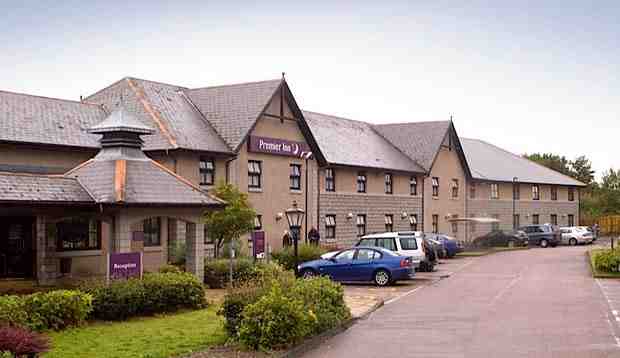
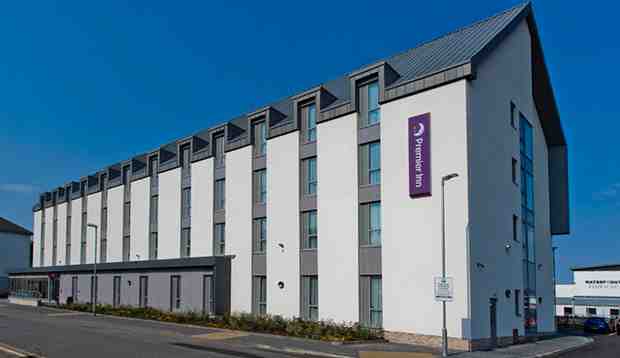
Argyll town guide: Inveraray – the planned Georgian town on Loch Fyne, with the Duke of Argyll’s castle, the jail museum and the bell tower.