Whisky
Uisge beatha – “Water of life”.
Explore Scotch Whisky: The Complete Guide
Whisky is Scotland’s national drink and one of the great reasons to visit. From the peat-smoke powerhouses of Islay to the honeyed malts of Speyside, every corner of the country has its own style, shaped by water, barley, climate and centuries of craft. This guide breaks Scotch down by region, points you to the individual distilleries you can tour, and helps you plan a whisky trip — whether you want a single memorable tasting or a week following the malt trail.
The Whisky Regions
Scotch whisky is officially divided into distinct producing regions, each with its own character. Start here to understand what makes each one different:
- Speyside — the heartland, home to more distilleries than anywhere else, known for elegant, fruity, sherried malts.
- Islay — the island of big, peaty, maritime whiskies with a cult following.
- Highland — the largest region by area, spanning everything from light and floral to rich and robust.
- Lowland — gentle, grassy, easy-drinking malts from the south.
- Campbeltown — the tiny Kintyre region with a distinctive briny, oily style.
- Grain whisky — the lighter spirit that forms the backbone of blends.
Islay Distilleries
The spiritual home of peated whisky — nine working distilleries on one small island, most within sight of the sea:
- Lagavulin, Ardbeg and Laphroaig — the famous smoky trio of the Kildalton coast.
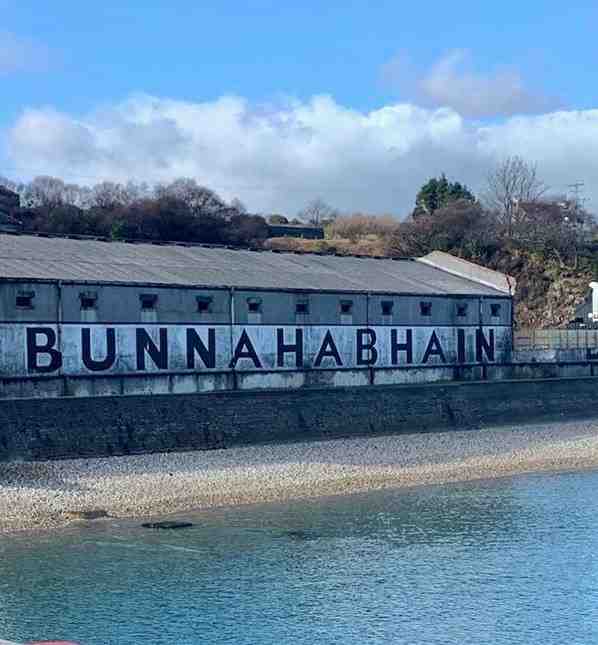
- Bowmore, Bruichladdich, Bunnahabhain, Caol Ila and Kilchoman — the rest of the island’s much-loved names.
Speyside Distilleries
The greatest concentration of distilleries in the world, clustered around the River Spey:
- Aberlour, Cardhu, The Glenrothes, GlenAllachie and Benromach — the latter with its own visitor centre.
Highland & Island Distilleries
A vast region taking in the mainland Highlands and the whisky islands beyond Islay:
- Oban, Old Pulteney, Highland Park, Ardmore and Tullibardine on and around the mainland.
- Talisker on Skye, Tobermory on Mull, Jura on its namesake island, and Arran in the Firth of Clyde.
Plan a Distillery Visit
Ready to taste at the source? These guides help you choose and plan:
- The best whisky distilleries to visit — our pick of the most rewarding tours.
- The 27 best single malt Scotch whiskies — a tasting-led guide to the bottles worth seeking out.
- A whisky lover’s Islay itinerary — a distillery-focused week on Scotland’s peatiest island.
How Scotch Whisky Is Made
Understanding the process makes any distillery tour far more rewarding. By law, Scotch whisky must be made in Scotland from just three ingredients — water, cereals and yeast — and matured in oak casks for a minimum of three years. Single malt uses only malted barley, and the journey from field to bottle follows the same broad steps everywhere.
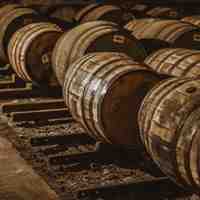
First the barley is malted: soaked and allowed to germinate, then dried in a kiln — and it is here, if peat is burned in the kiln, that Islay’s famous smoky character is born. The dried malt is milled and mixed with hot water in the mash tun to extract sugars, producing a sweet liquid called wort. Yeast is added and fermentation turns the sugars into a low-strength beer known as wash. This is then distilled, usually twice, in copper pot stills whose size and shape do much to define a distillery’s style. Finally the clear spirit is filled into oak casks — often ex-bourbon or ex-sherry — for maturation, where it draws colour, flavour and complexity from the wood over years or decades. The region, the still shape, the cask and the length of maturation together explain why no two single malts taste quite the same.
If you want to string several distilleries together, base yourself in a hub town such as Dufftown, Aberlour or Bowmore, build in time between tours, and remember that many distilleries offer a driver’s dram to take away so non-drinking drivers don’t miss out. Public transport is limited in whisky country, so a designated driver or an organised tour usually makes the day run far more smoothly.
Frequently asked questions
What are the whisky regions of Scotland?
Scotch whisky is officially divided into five malt regions — Speyside, Highland, Lowland, Islay and Campbeltown — plus grain whisky, which is produced across the country. Speyside has the most distilleries and a fruity, elegant style; Islay is famous for peat smoke; the Highlands cover the broadest range; Lowlands are light and grassy; and Campbeltown, once the whisky capital of the world, has a small but distinctive output.
Which is the best whisky region for a first visit?
Speyside is the classic choice, with dozens of distilleries close together and a signposted Malt Whisky Trail linking many of them — ideal for touring several in a day. Islay is the other great pilgrimage, best for peat lovers who don’t mind the ferry, with most distilleries within a short drive of each other. See our best distilleries to visit guide to help you choose.
What is the difference between single malt and blended whisky?
Single malt Scotch is made from 100% malted barley at a single distillery. Blended Scotch mixes malt whisky with lighter grain whisky from one or more distilleries, which is why blends make up the majority of Scotch sold worldwide. Single malts are prized for expressing the character of their distillery and region.
Do I need to book distillery tours in advance?
Yes, especially in summer and for the famous Islay and Speyside names, where tours sell out days or weeks ahead. Book directly on each distillery’s website, check age and transport rules, and always plan a designated driver or organised tour if you intend to taste — Scotland’s drink-driving limit is low and strictly enforced.
When is the best time for a whisky trip?
Distilleries are open year-round, but late spring and early autumn offer pleasant weather and quieter tours. Islay hosts its famous Fèis Ìle whisky festival in late May, and Speyside holds its own festival around the same time — wonderful but busy, so book far ahead if you want to visit then.
Whisky


In Scotland there are 5 Whisky producing regions that produce Single Malt whisky. These are Highland Malt whisky, Lowland Malt whisky, Campbeltown Malt whisky, Speyside Malt whisky and Islay Malt whisky. There is also Grain whiskies. Most whisky bought is blended whisky which mixes both Grain and Malt whisky together. These are whiskies such as Famous Grouse & Johnie Walker.
No trip to Scotland would be complete without sampling a wee dram. Single Malt whisky would be drunk on its own or with a small dash of water.
[woopspro_products_slider cats=’509′]
Islay Region
The Island of Islay lies off the West coast of Scotland and is home to 9 distilleries; Ardbeg, Ardnahoe, Bowmore, Bruichladdich, Bunnahabhain, Caol Ila, Kilchoman, Lagavulin and Laphroaig.
Lowland Region
This region encompasses Fife, Stirling, Glasgow, Edinburgh and the central belt down to the Scottish borders. There are 16 distilleries: Aberargie, Ailsa Bay, Annandale, Auchentoshan, Bladnoch, Borders, Clydeside, Daftmill, Eden Mill, Glasgow, Glenkinchie, Halewood chain pier, Holyrood, Inchdairnie, Kingsbarns and Lindores Abbey.
Highland Region
There are 48 distilleries including; Aberfeldy, Abhainn Dearg, Arbikie, Ardmore, Ardnamurchan, Arran, Balblair, Ben Nevis, Blair Athol, Clynelish, Dalmore, Dalwhinnie, Deanston, Dornoch, Edradour, Fettercairn, Glencadam, Glendronach, Glenglassaugh, Glengoyne, Glenmorangie, Glen Ord, Deeside, Glenturret, Glenwyvis, Highland Park, Isle of Harris, Isle of Jura, Loch Lomond, Lone Wolf, Maduff, Lagg, Ncn’ean, Oban, Pulteney, Isle of Raasay, Royal Brackla, Royal Lochnagar, Scapa, Strathearn, Talisker, Teaninich, Tobermory, Tomatin, Torabhaig, Tullibardine and Wolfburn.
Speyside Region
Speyside is located along the river Spey. This area has the most distilleries in Scotland. In total there are 50 distilleries in this ares. These are; Aberlour, Allt A’Bhainne, Auchroisk, Aultmore, Ballindalloch, Balmenach, Balvenie, Benriach, Benrinnes, Benromach, Braeval, Cardhu, Cragganmore, Craigellachie, Dailuaine, Dalmmunach, Glenallachie, Glenburgie, Glendullan, Glen Elgin, Glenfarclas, Glenfiddich, Glen Grant, Glen Keith, Dufftown, Glenlivet, Glenossie, Glen Moray, Glenrothes, Glen Spey, Glentauchers, Inchgower, Kininvie, Knockando, Knockdhu, Macallan, Mannochmore, Linkwood, Mortlach, Miltonduff,Longmorn, Roseisle, Speyburn, Speyside, Strathisla, Strathmill, Tamdhu, Tamnavulin, Tomintoul and Tordmore.
Campbeltown Region
Campbeltown is a town situated on the Mull of Kintyre, There is 3 distilleries. These are Glengyle, Glen Scotia & Springbank.
Grain Whisky
Grain Whisky is produced in the following distilleries; Cameronbridge, Girvan, Invergordon, Loch Lomond, North British, Starlaw and Strathclyde.
Whisky Distilleries
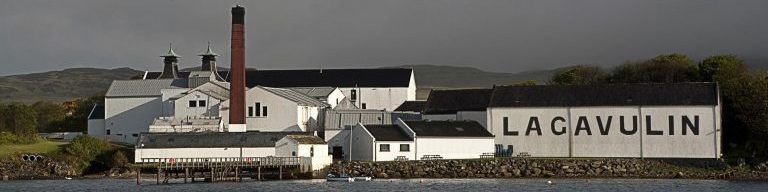
Scotland has over 100 distilleries. Many of these distilleries offer tours. These are generally around 45 to 60 mins long and give an insight into the working distillery. It is recommended to book for these in advance during the summer months.
Benromach Distillery & Visitor Centre
For more information and to book a distillery tour visit the Benromach Website.
Bowmore Distillery
For more information and to book a distillery tour visit the Bowmore Website.
Old Pulteney Distillery
For more information and to book a distillery tour visit the Old Pulteney Website.
Ready to plan a distillery visit? See our guide to the best whisky distilleries to visit in Scotland, and explore distilleries across every whisky region in our directory.