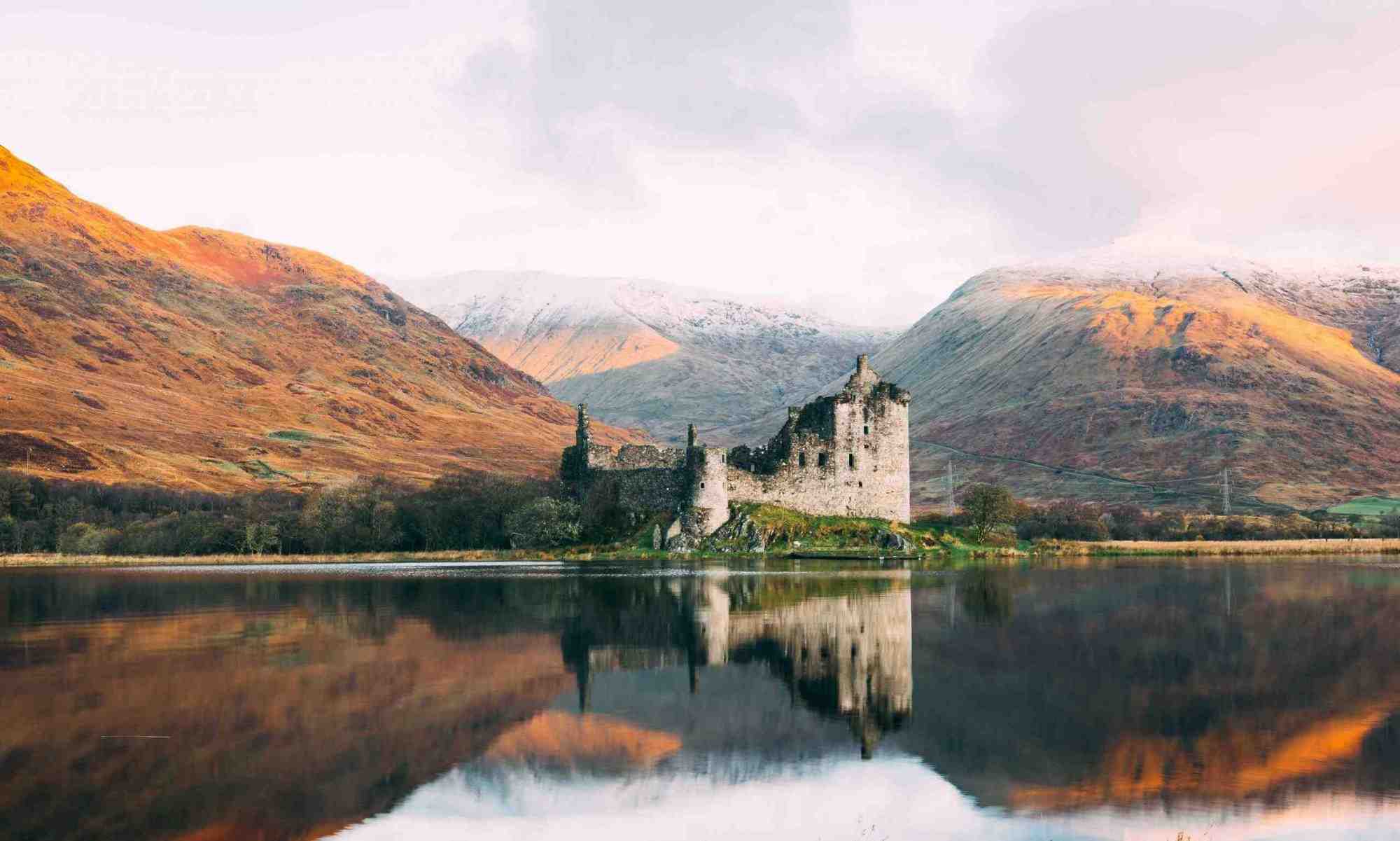


Fort William is the adventure capital of the Scottish Highlands – a lively town on the shores of Loch Linnhe, ringed by mountains and sitting in the shadow of Ben Nevis, the highest peak in Britain. Whether you’ve come to climb the “Ben,” ride the Jacobite Steam Train, tackle world-class mountain-bike trails or simply use it as a base for Glencoe and Skye, this guide covers the best things to do in Fort William, how to climb Ben Nevis safely, how to get there and where to stay.
About Fort William
Often called the “Outdoor Capital of the UK,” Fort William is the largest town in the western Highlands and the natural hub for exploring the region. It marks the end of the long-distance West Highland Way, sits at the southern end of the Caledonian Canal, and is the departure point for the famous Jacobite Steam Train. The town itself is compact and practical – shops, restaurants and accommodation along a pedestrianised High Street – but the real draw is everything around it: mountains, glens, lochs and coastline all within easy reach.
Ben Nevis: Britain’s highest mountain
At 1,345 metres (4,413 feet), Ben Nevis is the highest mountain in the British Isles and a bucket-list climb for tens of thousands of walkers every year. The most popular route is the Mountain Track (also known as the Pony Track or Tourist Track), which begins near Glen Nevis. It is not a technical climb, but make no mistake – it is long, steep and serious, typically taking seven to nine hours round trip with more than 1,300 metres of ascent.
What to expect on the climb
From the Glen Nevis Visitor Centre, the path climbs steadily, then zig-zags up the mountainside past a halfway lochan (Lochan Meall an t-Suidhe) before a long series of switchbacks leads to the vast, boulder-strewn summit plateau. The plateau is notorious for sudden cloud, fierce wind and snow that can linger into summer, and navigation near the cliff edges becomes genuinely dangerous in poor visibility. The summit itself holds the ruins of an old observatory and an emergency shelter.
Climbing Ben Nevis safely
- Check the dedicated mountain weather forecast on the day you go.
- Carry warm layers, full waterproofs, food, water, a head torch, and a map and compass – and know how to use them.
- Start early to allow plenty of daylight for the descent.
- Wear proper hiking boots; trainers are not suitable.
- Turn back if conditions deteriorate – the summit will still be there another day.
Experienced hillwalkers and scramblers may prefer the spectacular Carn Mòr Dearg Arête, but that is a serious mountaineering route for the well-equipped only.
Glen Nevis
Even if you don’t climb the Ben, beautiful Glen Nevis at its foot is well worth a visit. A scenic single-track road runs up the glen to a car park, from where an easy-to-moderate walk continues through a gorge to the dramatic Steall Falls, one of Scotland’s highest waterfalls, reached via an optional (and slightly hair-raising) three-wire bridge. The glen has starred in films including Braveheart and Harry Potter, and makes a gentle half-day for non-climbers.
Top things to do in Fort William
Ride the Jacobite Steam Train
Fort William is the starting point for the Jacobite Steam Train to Mallaig, which crosses the famous Glenfinnan Viaduct of Harry Potter fame – one of the world’s great rail journeys. Book well ahead, as it sells out months in advance in summer.
Nevis Range and Aonach Mòr
A short drive from town, the Nevis Range gondola whisks you up Aonach Mòr for high-mountain views, walking trails and a mountain café. In winter it’s a ski and snowboard area; in summer it hosts a world-famous downhill mountain-bike track that draws riders from across the globe.
The Caledonian Canal and Neptune’s Staircase
At nearby Banavie, Neptune’s Staircase is an impressive flight of eight locks on Thomas Telford’s Caledonian Canal – a relaxing spot to watch boats climb the hillside, with Ben Nevis as a backdrop.
West Highland Museum and Old Inverlochy Castle
In the town centre, the characterful West Highland Museum covers Highland history, the Jacobites and local life – a good rainy-day option. On the edge of town, the 13th-century ruin of Old Inverlochy Castle is free to wander and steeped in clan history.
Mountain biking and outdoor activities
Fort William earns its “Outdoor Capital” nickname many times over. Beyond Ben Nevis, there’s world-class mountain biking at Nevis Range (host of UCI World Cup downhill racing), rock and winter climbing on the surrounding peaks, kayaking and boat trips on the lochs, gorge walking, and skiing in winter. Few places in Britain pack so much adventure into one area.
The West Highland Way
Fort William is the triumphant finish of the 96-mile (154 km) West Highland Way, Scotland’s most popular long-distance walk, which begins near Glasgow and threads past Loch Lomond and across Rannoch Moor. Even if you’re not walking the whole route, you’ll often see jubilant hikers arriving in town – and you can sample scenic sections as day walks.
How to get to Fort William
- By car: about 2.5 to 3 hours from Glasgow on the A82 via Loch Lomond and Glencoe – a stunning drive in itself – or around 1.5 hours from Inverness through the Great Glen past Loch Ness.
- By train: the scenic West Highland Line links Fort William with Glasgow, and the Caledonian Sleeper runs overnight from London.
- By bus: regular coaches connect Fort William with Glasgow, Inverness and Skye.
Day trips from Fort William
Fort William’s location makes it one of the best bases in Scotland for day trips: south to Glencoe; west along the Road to the Isles to the Glenfinnan Viaduct, the silver sands of Morar and Mallaig (ferry to Skye); and north through the Great Glen to Loch Ness and Inverness. The wild Ardnamurchan peninsula and the moving Commando Memorial at Spean Bridge are also within reach.
Where to stay
Fort William has the widest choice of accommodation in the western Highlands, from hotels and guesthouses to hostels and self-catering cottages – ideal as a multi-night base. Book ahead in summer, when the town is busy with walkers and climbers. Browse our Scotland accommodation guide.
Best time to visit
Late spring and early autumn offer the best balance of weather, daylight and smaller crowds (and fewer midges than mid-summer). Summer is busiest and best for high-level walking; winter transforms the mountains into a serious snow-and-ice playground for experienced climbers and skiers, with the Nevis Range slopes in action.
Combine your visit
Fort William is the perfect Highland base. Pair it with Glencoe to the south, the Glenfinnan Viaduct and Mallaig to the west, the Isle of Skye beyond, and Loch Ness and Inverness to the north. See our full Highlands guide.
A brief history of Fort William
Fort William takes its name from a fortification first built in the 17th century to help control the Highlands after the civil wars, later rebuilt and named after King William of Orange. The fort played a part in the Jacobite risings, withstanding a siege in 1746, before being largely dismantled in the 19th century. The town that grew up beside it, originally known as Maryburgh, expanded rapidly in Victorian times with the arrival of the West Highland Railway in 1894, which opened up the region to tourists and industry alike. Today Fort William wears that heritage lightly, having reinvented itself as Scotland’s premier base for mountain sports and Highland touring.
Eating, shopping and practicalities
The pedestrianised High Street is the heart of the town, lined with outdoor-gear shops (handy if you’ve forgotten a waterproof), cafes, pubs and restaurants serving everything from fresh Scottish seafood and venison to hearty post-hike comfort food. There are supermarkets for self-caterers, a train and bus station within walking distance of the centre, and the town makes a comfortable, well-serviced base even in the wilder shoulder seasons. Allow at least two or three nights here to do the area justice rather than rushing through.
Movie buffs: Glen Nevis near Fort William features in our guide to Harry Potter filming locations in Scotland.
Frequently asked questions
How hard is it to climb Ben Nevis?
The Mountain Track is non-technical but physically demanding – long, steep and exposed to fast-changing weather. It suits reasonably fit, properly equipped walkers, but should never be underestimated.
How long does it take to climb Ben Nevis?
Most walkers take seven to nine hours for the round trip via the Mountain Track, so start early and allow plenty of daylight.
Do you need a guide to climb Ben Nevis?
Not for the Mountain Track in good summer conditions if you’re fit and can navigate, but a guide is strongly recommended in winter or poor weather, when the route becomes genuinely hazardous.
Can beginners climb Ben Nevis?
Fit beginners regularly complete the Mountain Track in good summer weather, but it’s a tough full-day hike – train beforehand, go prepared, and pick a settled-weather day.
Is Fort William worth visiting?
Yes – it’s the best base in the western Highlands, with Ben Nevis, Glen Nevis, the Jacobite Steam Train and easy access to Glencoe and Skye all on the doorstep.
How far is Fort William from Glasgow?
About 2.5 to 3 hours by car on the scenic A82, or around 4 hours by the West Highland Line train.
Header image: CC BY-SA 2.0, via Wikimedia Commons