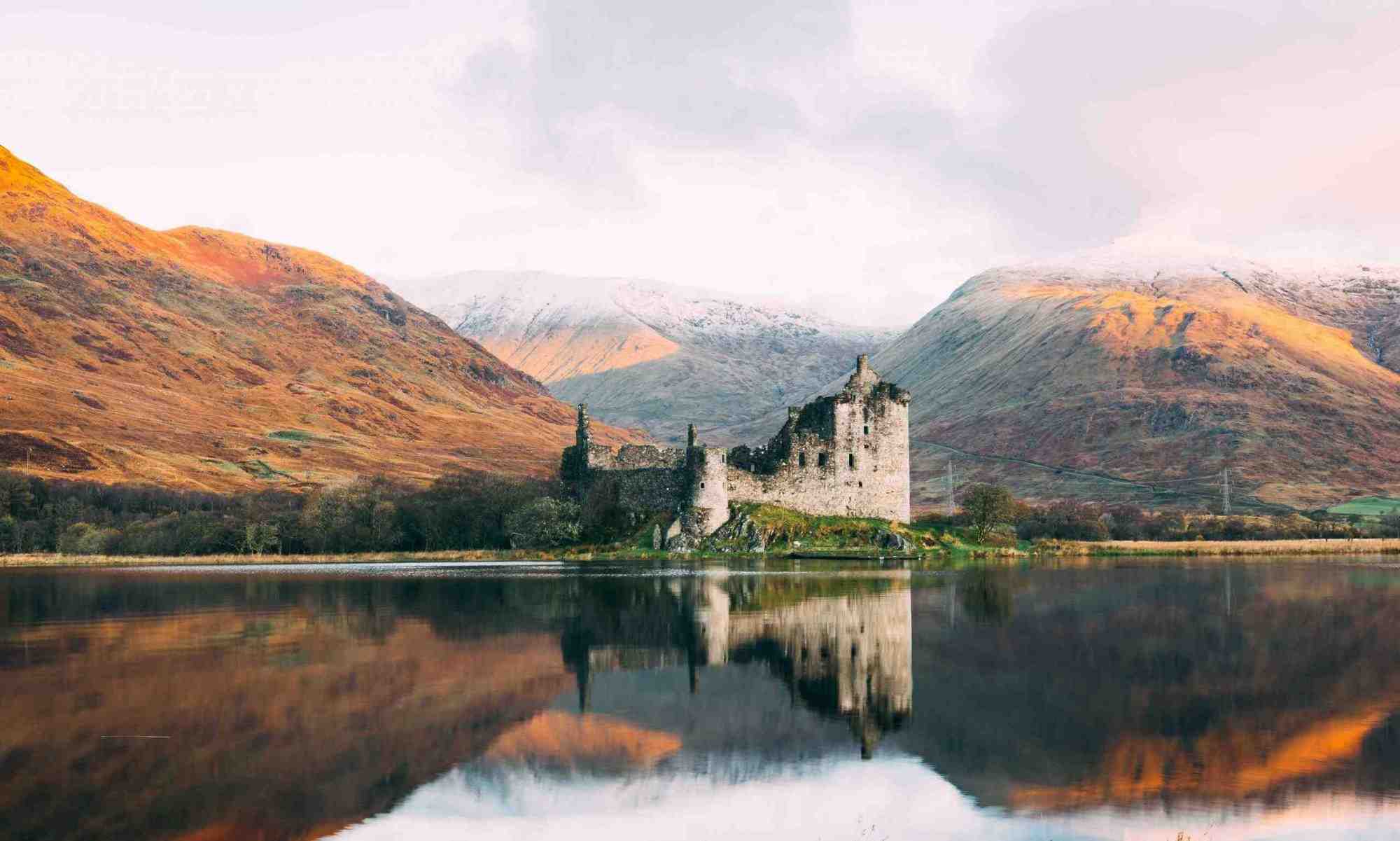


Inverness is the capital of the Scottish Highlands – a compact, welcoming city set where the River Ness meets the sea, and the perfect base for exploring the north of Scotland. Within easy reach of Loch Ness, Culloden, the Cairngorms and the start of the North Coast 500, it combines genuine Highland character with the comforts of a city. This guide covers the best things to do in Inverness, the unmissable day trips on its doorstep, how to get there and where to stay.
About Inverness
Often called the “Capital of the Highlands,” Inverness is the largest settlement in the north of Scotland and the region’s commercial, cultural and transport hub. For all that, it remains small and walkable, with a pretty riverside setting, a Victorian core and a relaxed, friendly atmosphere. Most visitors use it as a launchpad for the surrounding Highlands – but the city itself rewards a day or two of exploring, especially along the River Ness and its islands.
How to get to Inverness
- By air: Inverness Airport has connections to several UK cities and some European destinations, with the city centre a short drive or bus ride away.
- By train: direct services link Inverness with Edinburgh and Glasgow (around 3.5 hours), and the Caledonian Sleeper runs overnight from London.
- By car: the A9 connects Inverness to Perth and the central belt, passing the Cairngorms; the Great Glen road (A82) leads south-west past Loch Ness to Fort William.
Top things to do in Inverness
Inverness Castle and viewpoint
The red-sandstone Inverness Castle stands proudly above the river on the site of much older fortifications. Long used as the local courthouse, it is being transformed into a major Highland visitor attraction; even from the outside, the castle viewpoint offers a lovely outlook over the city and river.
The River Ness and Ness Islands
A stroll along the River Ness is the loveliest way to get your bearings. Follow the riverside path south to the Ness Islands, a series of wooded islets linked by Victorian footbridges – a tranquil green escape right in the heart of the city.
Inverness Cathedral and the Old High Church
St Andrew’s Cathedral sits handsomely on the river’s west bank, while the Old High Church, on a rise above the river, is the city’s oldest place of worship and steeped in history.
Victorian Market and city centre
The covered Victorian Market is a characterful warren of independent shops and eateries, while the compact city centre offers Highland woollens, whisky shops, cafes and live traditional music in its pubs.
Inverness Museum and Art Gallery
A free museum covering Highland history, Pictish stones, Jacobite relics and local art – a good introduction to the region and a fine rainy-day option.
The Caledonian Canal
On the edge of the city, Thomas Telford’s Caledonian Canal links the lochs of the Great Glen. Walk or cycle the towpath, or join a boat trip that combines the canal with neighbouring Loch Ness.
The best day trips from Inverness
Inverness’s greatest strength is its location: an extraordinary range of Highland highlights lies within an hour or so. This is why so many visitors base themselves here.
Loch Ness and Urquhart Castle
The legendary Loch Ness begins just a short drive south-west of the city. Cruise its dark waters, explore the ruins of Urquhart Castle and keep an eye out for Nessie – an easy half- or full-day trip.
Culloden Battlefield and Clava Cairns
Just east of the city, Culloden is the moving site of the final Jacobite battle of 1746, with an excellent visitor centre. Nearby, the prehistoric Clava Cairns – Bronze Age burial chambers – are atmospheric and free to visit (and beloved of Outlander fans).
The North Coast 500
Inverness is the official start and finish of the North Coast 500, Scotland’s epic 516-mile road trip around the far north Highlands – so it’s the natural place to pick up a hire car and begin the adventure.
The Cairngorms and Speyside
South of the city lie the Cairngorms National Park and, to the east, the distilleries of Speyside – the heartland of Scotch whisky, perfect for a day of tastings and tours.
Black Isle, Cawdor and Fort George
Cross to the Black Isle for dolphin-spotting at Chanonry Point, one of the best places in Europe to see bottlenose dolphins from the shore. Also within easy reach are the fairy-tale Cawdor Castle and the vast 18th-century artillery fortress of Fort George.
Glen Affric
Often described as one of the most beautiful glens in Scotland, Glen Affric lies about an hour south-west of the city. A glorious mix of ancient Caledonian pine forest, lochs and mountains, it’s superb for walking, picnics and photography – and far quieter than the headline attractions.
Where to stay
As the Highlands’ largest city, Inverness has by far the widest choice of accommodation in the north – hotels, guesthouses, B&Bs, hostels and self-catering – making it an easy and comfortable base for several nights. Riverside and city-centre stays are most convenient. Book ahead in summer, especially with the NC500’s popularity. Browse our Scotland accommodation guide.
Best time to visit
Late spring and early autumn offer mild weather, long days and fewer crowds than peak summer, when Inverness is busy as the NC500 gateway. Summer brings the best chance of warm, dry days and near-endless northern daylight; winter is quiet and atmospheric, with the Cairngorms slopes within reach for a snowy day out.
Eating, drinking and Highland culture
For its size, Inverness has a lively food and drink scene, from riverside restaurants serving Highland beef, venison and fresh seafood to cosy pubs with regular live folk music. It’s a great place to sample Scottish specialities and stock up on whisky before heading into the wilds.
Combine your visit
Inverness is the hub of the northern Highlands. Pair it with Loch Ness and Culloden on its doorstep, use it to launch the North Coast 500, and link it south to the Cairngorms or west through the Great Glen to Fort William. See our full Highlands guide.
A brief history of Inverness
Inverness has been a strategic Highland centre for well over a thousand years. The Picts had a stronghold here, and it was near Inverness in the 6th century that St Columba is said to have encountered a beast in the River Ness – arguably the very first Loch Ness monster story. Made a royal burgh in the 12th century, the town saw its castle fought over repeatedly, and it played a part in the Jacobite risings, being held by Bonnie Prince Charlie’s forces shortly before their final defeat at nearby Culloden in 1746. The arrival of the Caledonian Canal and the railway in the 19th century transformed Inverness into the thriving commercial capital of the Highlands it remains today.
Getting around Inverness
The city centre is compact and easily explored on foot, with the castle, river, market and main shops all within a few minutes’ walk of each other. Local buses serve the suburbs and nearby attractions such as Culloden, and the bus and train stations sit centrally. For the best day trips – and especially for the North Coast 500 – hiring a car gives you the most freedom, and several rental firms operate in the city and at the airport. Bikes can also be hired for the riverside and canal paths.
History and TV fans: nearby Culloden features in our guide to Outlander filming locations in Scotland.
Frequently asked questions
Is Inverness worth visiting?
Yes – it’s a charming riverside city in its own right and, more importantly, the ideal base for Loch Ness, Culloden, the Cairngorms and the North Coast 500.
How many days do you need in Inverness?
One day covers the city itself, but two to four nights lets you use it as a base for the superb day trips on its doorstep.
What is there to do in Inverness?
Walk the River Ness and Ness Islands, see Inverness Castle and Cathedral, browse the Victorian Market, visit the museum, and take boat trips on the Caledonian Canal and Loch Ness.
How far is Inverness from Edinburgh?
About 3.5 hours by train or car – one of the easiest ways to reach the Highlands from central Scotland.
How far is Inverness from Loch Ness?
The northern end of Loch Ness is only about 20 to 30 minutes’ drive south-west of Inverness, which is exactly why the city is the most popular base for visiting the loch and Urquhart Castle.
Do you need a car in Inverness?
Not for the city itself, which is walkable, but a car greatly expands the day trips you can do – and is the usual way to tackle the North Coast 500. Tours and some buses cover the main sights if you prefer not to drive.
Is Inverness a good base for the Highlands?
It’s the best base in the north: Loch Ness, Culloden, the Black Isle, Cairngorms, Speyside and the start of the NC500 are all within an hour or so.
Header image: dave conner from Inverness, Scotland, CC BY 2.0, via Wikimedia Commons