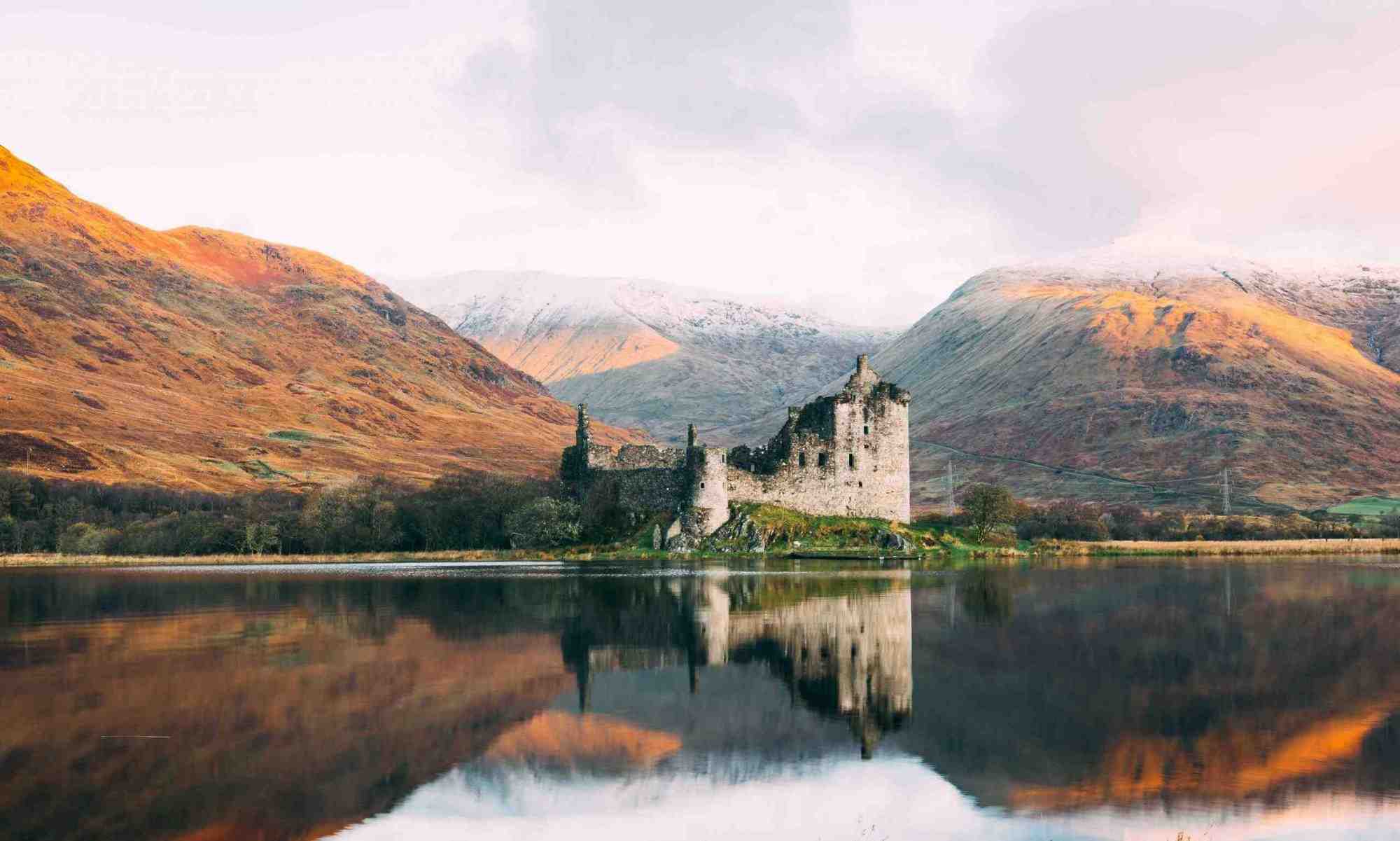

Often overlooked by visitors racing north to the Highlands, the Scottish Borders is one of Scotland’s most rewarding and accessible regions — a rolling landscape of green hills, salmon rivers and historic market towns, dotted with romantic abbey ruins and grand stately homes. Just an hour south of Edinburgh, it makes a superb day trip or a peaceful few days away from the crowds. This guide covers the best things to do in the Scottish Borders, how to get there, where to stay, what to eat and when to go.
Why visit the Scottish Borders?
The Borders rewards travellers who slow down. This is a region of literary heritage (it was home to Sir Walter Scott), four magnificent ruined abbeys, castles and country houses, world-class mountain biking, and some of the prettiest small towns in Scotland. Because it sees far fewer tourists than the Highlands or Edinburgh, you’ll often have the abbeys and trails largely to yourself — and prices tend to be gentler too. It is also steeped in the history of the Border Reivers, the raiding families who once ruled this frontier between Scotland and England, a legacy still celebrated in the towns’ summer festivals.
Where are the Scottish Borders and how to get there
The Scottish Borders lie in the southeast of Scotland, between Edinburgh and the English border. They’re easy to reach:
- By car: around an hour from Edinburgh down the A7 or A68 — ideal for exploring the scattered towns and sights.
- By train: the scenic Borders Railway runs from Edinburgh Waverley to Tweedbank (near Melrose and Abbotsford) in under an hour, one of the loveliest short rail journeys in Scotland.
- By bus: regular coaches link Edinburgh with the main Borders towns such as Galashiels, Hawick and Peebles.
Their position makes the Borders a perfect bolt-on to an Edinburgh trip. The region is large and rural, so a car is the most flexible way to link the towns and country houses, though the Borders Railway plus local buses covers the central Tweed valley well.
Top things to do in the Scottish Borders
Melrose Abbey
The most beautiful of the Borders’ four great ruined abbeys, Melrose Abbey is a masterpiece of Gothic stonework — and the reputed burial place of the heart of Robert the Bruce. The pretty town of Melrose around it, with its cafés and the Borders Railway terminus nearby, makes a perfect base for exploring the region.
Abbotsford House
The fantastical home that novelist Sir Walter Scott built for himself on the banks of the River Tweed, Abbotsford is a highlight of any Borders visit. Tour the atmospheric library and study, explore the gardens, and enjoy the riverside walks. It’s an easy stop from Melrose and the Tweedbank railway station, and there is a good visitor centre and café on site.
Jedburgh Abbey
Towering over the town of Jedburgh near the English border, this red-sandstone abbey is remarkably complete, giving a vivid sense of monastic life. Jedburgh also has Mary Queen of Scots’ House, where the queen famously stayed and which now tells her story.
Dryburgh and Kelso Abbeys
Completing the quartet of Borders abbeys, secluded Dryburgh (Sir Walter Scott’s burial place) sits in a beautiful loop of the Tweed, while Kelso Abbey anchors the elegant town of Kelso. The four abbeys are linked by the Borders Abbeys Way, a fine long-distance walking route that makes a wonderful way to see them all on foot.
Floors Castle
Scotland’s largest inhabited castle, Floors overlooks the Tweed at Kelso. Home to the Duke of Roxburghe, its opulent rooms, art collection and walled gardens make it one of the region’s grandest days out, and one of Scotland’s most impressive castles.
Traquair House
Near Peebles, Traquair is the oldest continuously inhabited house in Scotland, with over 900 years of history, a working brewery and famously locked Bear Gates. It’s full of Jacobite history and quiet charm, and hosts popular events through the year.
More castles and historic houses
Beyond the headliners, the Borders is dotted with atmospheric sites. Hermitage Castle, a brooding medieval fortress in remote Liddesdale, is one of the most evocative ruins in Scotland. Smailholm Tower, a perfectly preserved peel tower, offers sweeping views and inspired the young Walter Scott. The grand stately homes of Thirlestane Castle at Lauder and Bowhill House near Selkirk are both well worth a visit for their interiors and grounds.
The Great Tapestry of Scotland
In Galashiels, the purpose-built visitor centre for the Great Tapestry of Scotland displays one of the world’s longest tapestries, telling the story of the nation across 160 hand-stitched panels. It’s a superb rainy-day option and a celebration of the Borders’ deep textile heritage.
Charming Borders towns
Half the pleasure of the Borders is simply wandering its towns. Melrose is the prettiest; Peebles is a lively riverside town with great independent shops; Kelso has a handsome cobbled square; and Jedburgh, Hawick and Selkirk brim with history. The region is the heart of Scotland’s textile and cashmere industry — look out for mill shops in Hawick and Galashiels for quality knitwear at good prices.
Mountain biking and the outdoors
The Borders is a paradise for active visitors. Glentress Forest (part of the 7stanes network) near Peebles offers some of the best mountain biking trails in the UK, while the River Tweed is world-renowned for salmon fishing. Walkers can tackle stretches of the Southern Upland Way, St Cuthbert’s Way or the Borders Abbeys Way, and the rolling hills are ideal for gentle rambles.
Scott’s View and the Eildon Hills
One of the most famous viewpoints in Scotland, Scott’s View looks out over the Tweed valley to the triple peaks of the Eildon Hills — said to be Sir Walter Scott’s favourite vista. It’s an essential photo stop and a gentle introduction to the region’s scenery.
Food and drink in the Scottish Borders
The Borders punches above its weight for food and drink. The fertile farmland and rivers supply superb local lamb, beef, game and salmon, served in characterful country inns and farm shops. Look out for Borders specialities such as Selkirk bannock (a rich fruited bread), Hawick balls (a minty boiled sweet) and locally brewed ales — Traquair House Brewery is one of the oldest in Scotland. Market towns like Kelso and Peebles have excellent delis, cafés and restaurants, making lunch on the road a pleasure.
Events and festivals
Summer in the Borders is defined by the Common Ridings — historic equestrian festivals in which hundreds of riders trace the boundaries of the old burghs, accompanied by music, ceremony and pageantry. Each town has its own (Hawick, Selkirk, Jedburgh, Lauder and more), and they are among the most authentic traditional events in Scotland. The region also hosts the famous Melrose Sevens rugby tournament — the birthplace of rugby sevens — and the Borders Book Festival in Melrose.
A perfect Borders day trip from Edinburgh
If you only have a day, take the Borders Railway to Tweedbank, visit Abbotsford and Melrose Abbey, have lunch in Melrose, and finish at Scott’s View before heading back. With a car and a second day, add Jedburgh Abbey, Floors Castle at Kelso, and the shops of Peebles.
Where to stay
Melrose and Peebles make the best bases, both with a good choice of hotels, inns and B&Bs. Kelso and Jedburgh are quieter alternatives, and there are characterful country-house hotels scattered across the region for a special stay. As a day-trip destination from Edinburgh, you can also simply visit and return to the city.
Best time to visit
The Borders are lovely from late spring to early autumn, when the abbeys, gardens and trails are at their best and the Common Ridings animate the towns through summer. Autumn brings glorious colour to the Tweed valley, while winter is quiet and atmospheric, though some houses close or reduce their hours.
Practical tips
- A car gives the most freedom, as the sights are spread out — but the Borders Railway and Melrose makes a great car-free day.
- Many abbeys and houses are run by Historic Environment Scotland or the National Trust for Scotland — a membership or Explorer Pass can save money if you’re visiting several.
- Check opening seasons: some houses (like Abbotsford, Traquair, Thirlestane and Bowhill) close or reduce hours outside the main season.
- Book accommodation ahead during the Common Ridings and the Melrose Sevens, when the towns fill up.
- Combine the Borders with a wider trip — they pair naturally with Edinburgh and the wider Highlands experience.
Planning a wider trip? See our 7-day Scotland itinerary, the best time to visit Scotland guide, and our pick of the best castles in Scotland.
Frequently asked questions
What are the Scottish Borders known for?
The Scottish Borders are famous for their four ruined medieval abbeys (Melrose, Jedburgh, Dryburgh, Kelso), links to Sir Walter Scott and his home Abbotsford, rolling hill scenery, textile and cashmere heritage, salmon fishing on the Tweed, the Common Ridings festivals, and excellent mountain biking.
How do you get to the Scottish Borders from Edinburgh?
It’s about an hour by car via the A7 or A68, or under an hour on the scenic Borders Railway from Edinburgh Waverley to Tweedbank, near Melrose and Abbotsford.
Is the Scottish Borders worth visiting?
Absolutely — it offers historic abbeys, castles and stately homes, pretty towns and beautiful countryside, all far quieter than the Highlands and easily reached from Edinburgh.
How many days do you need in the Scottish Borders?
A day is enough for the highlights around Melrose, but two to three days lets you explore the abbeys, towns, country houses and walking routes at a relaxed pace.
What is the prettiest town in the Scottish Borders?
Melrose is widely considered the prettiest, with its abbey, cafés and riverside setting, though Peebles and Kelso are strong contenders.