
The 12 Best Beaches in Argyll & the Hebrides (With Maps)

beach near Tobermory

Forget the Caribbean comparisons you have heard — Argyll and the Hebrides really do have white-sand beaches and turquoise water to rival anywhere on earth, just with bracing Atlantic air instead of palm trees. Empty, wild and often backed by flower-rich machair, these are beaches for walking, wildlife-watching and cold-water swimming rather than sunbathing (though on a still summer day, you might be surprised). Here are twelve of the very best, with where to find each one and what makes it special.

Why the west-coast beaches are so good

The secret is a combination of shell sand — ground from crushed shells into brilliant white powder — and clear Atlantic water that turns astonishing shades of turquoise and jade in the light. Behind many beaches lies machair, the rare, wildflower-rich grassland found almost nowhere else in the world, alive with colour in early summer. Add near-total emptiness and a backdrop of mountains or islands, and you have some of Britain’s finest coastline.

The 12 best beaches

  1. Calgary Bay, Mull — the island’s most famous beach, a broad curve of white sand backed by machair and a wooded valley on the north-west of Mull. There is a small campsite and an art-in-nature trail nearby.
  2. Kiloran Bay, Colonsay — a stunning golden crescent widely rated one of Scotland’s finest beaches, and the highlight of remote Colonsay.
  3. Machir Bay, Islay — a wild, dune-backed Atlantic beach on the west of Islay, near Kilchoman distillery and perfect for a bracing post-tasting walk.
  4. Saligo Bay, Islay — dramatic surf, rock stacks and huge skies, at its best at sunset.
  5. Ganavan Sands, Oban — the most accessible on this list, a short drive from Oban, with lovely views and a café; ideal if you are short on time.
  6. Balevullin, Tiree — the go-to surf beach of sun-soaked Tiree, with turquoise water and reliable waves.
  7. Gott Bay, Tiree — a vast three-mile sweep of sand, superb for walking, kitesurfing and paddleboarding.
  8. Traigh Bhàn, Iona — the “white strand of the monks” on the sacred isle of Iona, off Mull, with white sand and a profound sense of peace.
  9. The Twin Beaches, Gigha — a double-sided sandbar at An Tairbeart, with sea on both sides, on the little Isle of Gigha.
  10. Feall Bay, Coll — huge dunes and vast empty sands on the quiet island of Coll, a Dark Sky Island for stargazers.
  11. Langamull, Mull — a hidden white-sand beach reached by a woodland walk in north Mull, rewarding a little effort with seclusion.
  12. Ostel Bay, Cowal — a secluded stretch on the Cowal peninsula, one of Argyll’s best-kept secrets and easy to reach from Glasgow.

Best beaches for…

  • Easy access: Ganavan Sands (Oban) and Ostel Bay (Cowal).
  • Surfing and watersports: Balevullin and Gott Bay on Tiree.
  • Sheer beauty: Kiloran Bay (Colonsay) and Calgary Bay (Mull).
  • Solitude: Feall Bay (Coll) and Langamull (Mull).
  • A beach with your whisky: Machir Bay and Saligo Bay on Islay.

Tips for visiting

  • Take everything with you — most of these beaches have no facilities, and leave no trace.
  • Check the tide and weather — the light after a passing shower is magical, and some sandbars change with the tide.
  • Respect the machair — the flower-rich grassland behind many beaches is fragile; stick to paths.
  • Pack a wetsuit if you plan to swim or surf; the water is beautiful but cold year-round.
  • Bring midge repellent in summer for still, damp evenings.

When to visit

May to September offers the best weather, the longest days and the machair in bloom. Summer is loveliest but brings midges on calm evenings; spring and autumn are quieter and often clearer. Even in winter these beaches are spectacular for a bracing walk. Plan your island-hopping with our Scotland itineraries and the individual island guides linked above.

This guide is part of our complete Argyll & the Isles travel guide — browse islands, itineraries, distilleries, beaches and castles across the region.

Frequently asked questions

Does Scotland have white-sand beaches?

Yes — Argyll and the Hebrides have some of Britain’s finest white-sand, turquoise-water beaches, from Calgary Bay on Mull to Kiloran Bay on Colonsay.

Which is the best beach in Argyll?

Kiloran Bay on Colonsay and Calgary Bay on Mull are perennial favourites, but Tiree’s beaches and Islay’s Machir Bay are equally spectacular.

Can you swim at Scottish beaches?

Yes, but the water is cold year-round — a wetsuit is recommended for anything more than a quick dip.

Which Argyll beach is easiest to reach?

Ganavan Sands near Oban and Ostel Bay on the Cowal peninsula are the most accessible without a ferry.

Are the beaches good for families?

Yes — Calgary Bay, Ganavan Sands and Gott Bay are all excellent for families, though facilities are limited so come prepared.

Best Seafood Restaurants in Oban: A Local’s Honest Guide

Oban Bay Scotland

Oban proudly calls itself the “Seafood Capital of Scotland”, and for once the slogan is earned. This busy west-coast harbour town lands langoustines, oysters, scallops, mussels, crab and fish daily, and you can eat them everywhere from a legendary shack on the pier to smart waterfront restaurants. If you love seafood, Oban is one of the best places in the country to indulge — here is an honest local guide to eating it well.

Why Oban is a seafood town

Oban is a working fishing port sitting on a sheltered bay, with the rich waters of the Firth of Lorn and the sea lochs of Argyll on its doorstep. Much of what is landed here is superb shellfish — especially langoustines (also called Dublin Bay prawns or scampi), which thrive in the cold, clean west-coast waters. A great deal is exported to Europe, but plenty stays local, which is why the town punches so far above its weight for seafood.

The famous seafood shack

The little green seafood shack on the railway pier is an Oban institution and the first stop for many visitors. It is not a restaurant but a takeaway stall, selling superb, keenly priced fresh shellfish to eat on the harbour wall: dressed crab, langoustines, oysters, mussels, and prawn or crab sandwiches. For sheer freshness and value it is unbeatable — grab a tray, find a bench, and watch the ferries come and go. Expect a queue when the Mull ferry disgorges its passengers, so go a little early or late.

Sit-down seafood restaurants

For a proper meal, Oban’s waterfront and centre have several well-regarded seafood restaurants serving the day’s landings — think grilled langoustines with garlic butter, seafood platters piled with shellfish, fish of the day, and local hand-dived scallops. Styles range from relaxed bistros to smarter dining rooms with bay views, and several also cater well for those who want a mix of seafood and other dishes. Ask what has come in fresh that day; the best kitchens change their menu with the catch.

Because menus and ownership can change, it is worth checking current reviews and opening hours when you visit — but the town consistently offers a strong choice of places to eat seafood, and standards are high.

What to order

  • Langoustines — Oban’s speciality, at their best simply grilled or boiled with garlic butter and bread.
  • Oysters — from the sea lochs of Argyll, served fresh and cold.
  • Hand-dived scallops — sweet, plump and often seared with black pudding or bacon.
  • Mussels — cooked simply in white wine, garlic and cream.
  • Dressed crab and crab or langoustine rolls — perfect casual harbour food.
  • Fish and chips — Oban does a fine version with fresh local haddock.

Beyond seafood

Not everyone in your party will want shellfish, and Oban caters for that too, with pubs, cafés, an Italian or two and hearty Scottish fare. It is also home to the town-centre Oban distillery, so you can pair a seafood dinner with a dram of the local single malt.

Tips for eating seafood in Oban

  • Book restaurants ahead in July and August and at weekends, when the best tables fill fast.
  • Go early or late at the shack to avoid the ferry-crowd queues.
  • Ask what is fresh — the finest places serve whatever came in that morning.
  • Sit by the water if you can; the bay views are part of the experience.

Planning your trip

Oban is easy to reach by road or the scenic West Highland Line train from Glasgow, and it is the “Gateway to the Isles” for ferries to Mull, Iona and beyond. See our full guide to Oban, our overview of the wider Scotland restaurants scene, and our Scotland itineraries to fit it into a longer trip.

This guide is part of our complete Argyll & the Isles travel guide — browse islands, itineraries, distilleries, beaches and castles across the region.

Frequently asked questions

Why is Oban known for seafood?

It is a working fishing port on the west coast, so shellfish and fish are landed locally and served exceptionally fresh — earning it the title “Seafood Capital of Scotland”.

What is the green shack in Oban?

A famous seafood takeaway stall on the railway pier selling fresh, well-priced shellfish — crab, langoustines, oysters and more — to eat by the harbour.

What seafood should you eat in Oban?

Langoustines are the local speciality, along with oysters, mussels, hand-dived scallops and dressed crab.

Do you need to book seafood restaurants in Oban?

Yes, in summer and at weekends the popular waterfront restaurants get very busy — book ahead.

Is Oban good for non-seafood eaters?

Yes — alongside the seafood there are pubs, cafés, Italian food and hearty Scottish dishes, plus the town-centre whisky distillery.

The 10 Best Islay Distilleries to Visit, Ranked for First-Timers

Bruichladdich Islay Barley Single Malt Whisky

Islay has nine working distilleries (with more on the way), and for a first-time visitor that choice can feel overwhelming. You cannot — and should not — try to do them all in one trip. This is our honest ranking of which distilleries to prioritise, judged not just on the whisky in the glass but on the whole visitor experience: the tours, the settings, the welcome and the sense of place. Use it to build a first Islay trip you will never forget.

How we ranked them

Great whisky is a given on Islay, so our ranking weighs the things that make a visit memorable — the quality and variety of tours, the beauty of the location, how welcoming the distillery is to newcomers, and how well it tells its story. Peat lovers and sherry fans will each have their own favourites, so treat this as a starting point, not gospel.

The ranking

1. Lagavulin

Lagavulin is the complete package: a world-class, richly smoky whisky, a beautiful bay setting beside the ruins of Dunyvaig Castle, and excellent, well-run tours. Its 16 Year Old is a benchmark against which other Islay malts are measured. For a first Islay distillery, it is hard to beat.

2. Ardbeg

A short walk away, Ardbeg is the cult peat monster with one of whisky’s most devoted followings. Beyond the intensely smoky yet elegant drams, it has a superb café (the Old Kiln) and a buzzing, friendly atmosphere that makes it a joy to visit.

3. Bowmore

Bowmore is the oldest distillery on Islay, right in the island capital, so it is the easiest to reach. Its legendary below-sea-level No.1 Vaults warehouse is one of the most atmospheric maturation spaces in Scotland, and its balanced style is a great introduction to Islay.

4. Bruichladdich

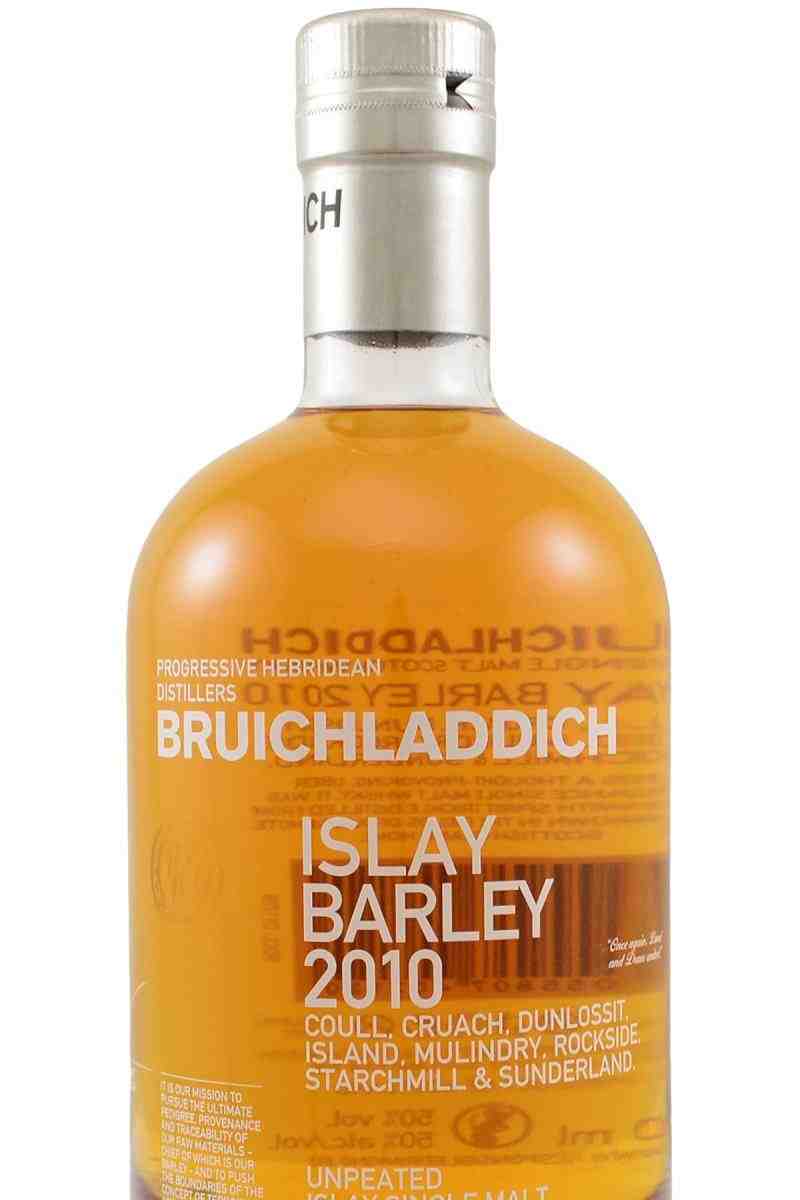
Progressive, playful and fiercely independent, Bruichladdich is the best distillery for understanding terroir and provenance. It makes unpeated malt, the heavily peated Port Charlotte and the record-breaking Octomore — plus The Botanist gin — so there is something for everyone.

5. Laphroaig

Laphroaig is the most divisive malt of all, its medicinal, seaweedy character loved and loathed in equal measure. Its characterful tours, working floor maltings and the famous “Friends of Laphroaig” plot make it a fascinating visit whichever camp you fall into.

6. Kilchoman

Kilchoman is Islay’s farm distillery, with a lovely “field-to-bottle” story — it grows and malts its own barley on site. Set near beautiful Machir Bay in the west, it offers an intimate, small-scale contrast to the big names.

7. Caol Ila

Caol Ila is Islay’s biggest distillery, yet one of its quietest to visit, with a lighter, oilier smoky style and simply spectacular views across the Sound of Islay to the Paps of Jura.

8. Bunnahabhain

Reached by a scenic single-track road, Bunnahabhain is the gentle, largely unpeated outlier — rich, sherried and maritime — in a wonderfully remote north-coast setting.

9. Ardnahoe

The island’s newest distillery (opened 2019), Ardnahoe has a smart visitor centre, a good café and arguably the finest views on Islay, looking straight across to Jura. A polished, modern experience.

10. Jura (bonus)

Technically a short ferry away, Jura makes an easy and rewarding “tenth distillery” for anyone with a spare day, combining a dram with a trip to one of Scotland’s wildest islands.

How to plan your visits

Do no more than two tours a day, and use a designated driver, a taxi or a guided tour so that everyone can taste. Group the distilleries by geography to minimise driving: the Kildalton trio (Lagavulin, Laphroaig, Ardbeg) in the south; Bowmore, Bruichladdich and Kilchoman in the middle and west; and Caol Ila, Bunnahabhain and Ardnahoe in the north. Book tours well ahead, especially around the Fèis Ìle festival in late May when they sell out fast.

Which to choose if you only have time for a few

Short on time? For a first taste of Islay, do Lagavulin and Ardbeg on the south shore (walkable together) plus Bowmore in the capital. Add Bruichladdich or Kilchoman if you want contrast, and Caol Ila for the views. That handful captures the full range of the island’s styles.

Planning the rest of your trip

See how long you need in our Islay itinerary guide, follow our ready-made 3-day whisky itinerary, sort your travel with ferry vs flight, and read the wider Islay whisky guide.

This guide is part of our complete Argyll & the Isles travel guide — browse islands, itineraries, distilleries, beaches and castles across the region.

Frequently asked questions

How many distilleries are there on Islay?

Nine are currently in production, with more planned. Adding a trip to Jura makes an easy “tenth”.

Which Islay distillery is best for first-timers?

Lagavulin offers the best all-round first visit — great whisky, a lovely setting and excellent tours — with Ardbeg and Bowmore close behind.

How many distilleries can you visit in a day on Islay?

Two tours is a comfortable maximum; three is possible with a driver if you skip long lunches.

Which Islay distilleries are closest together?

Lagavulin, Laphroaig and Ardbeg on the south (Kildalton) coast are within walking distance of one another.

Do you need to book Islay distillery tours in advance?

Yes — they sell out, especially in summer and around Fèis Ìle in late May.

Which Islay whisky is the least peaty?

Bunnahabhain’s signature style is largely unpeated, making it the gentlest introduction; Bruichladdich also makes unpeated malt.

Oban to Mull Day Trip: Is It Worth It & How to Do It Right

Oban Bay Scotland

The 45-minute ferry from Oban to Craignure makes a day trip to the Isle of Mull hugely tempting, and done well it can be one of the best days of a west-coast holiday. Done badly, it is a frustrating blur of driving and clock-watching. The honest truth is that Mull is far bigger than most visitors expect, so the secret to a great day trip is focus. This guide explains whether it is worth it, and exactly how to do it right.

Is a Mull day trip worth it?

Yes — if you focus on one experience. Mull measures more than 300 miles of coastline and its roads are largely single-track, so the temptation to “see it all” in a day is the classic mistake. The drive from the ferry port at Craignure to Tobermory takes around 45 minutes; to Fionnphort (for the Iona ferry) it is well over an hour. Try to combine Tobermory, Iona, Staffa and a wildlife trip in a single day and you will spend most of it in the car and risk missing the ferry home. Pick one focus and the day becomes a joy rather than an endurance test.

Understanding the geography

Craignure, where the Oban ferry arrives, sits on the east coast of Mull. From there, the island fans out: Tobermory is to the north; Fionnphort, Iona and the boats to Staffa are to the far south-west; and Duart Castle is close to the ferry. Knowing this before you sail is the single best way to plan a realistic day, because it stops you underestimating the distances.

The best ways to spend the day

1. Take a guided “Three Isles” tour

The least stressful option by far is a guided day tour from Oban. The classic “Three Isles” excursion combines Mull, Iona and Staffa (with Fingal’s Cave) in one seamlessly organised day — the ferries, the coach across Mull and the boat to Staffa are all handled for you, with a guide to bring it alive. If you only have one day and want to see the famous sights without logistics stress, this is the answer.

2. Focus on Tobermory and the north

For a relaxed day, ferry to Craignure and head to Tobermory, Mull’s beautiful capital, with its row of brightly painted harbour houses. Wander the harbour, visit the distillery, browse the galleries, eat fresh seafood, and take a wildlife-watching boat trip in search of eagles, seals, dolphins and even whales. This is the easiest self-guided day and gives you a real feel for the island.

3. Focus on Iona

If Iona is your priority, drive or take the bus across Mull to Fionnphort, then the short passenger ferry to the sacred Isle of Iona, cradle of Scottish Christianity, with its restored abbey, white beaches and profound sense of peace. Be realistic: the cross-island journey is long, so this is essentially an Iona day with a scenic Mull drive attached.

What you can realistically see

In a single day you can comfortably do one of the above — Tobermory and the north, or Iona, or a guided multi-island tour. You cannot do all three under your own steam. Wildlife boat trips, in particular, need to be booked around the ferry times, so check schedules carefully before committing.

Practical tips

  • Book the car ferry ahead — Oban to Craignure sells out in summer. Foot passengers rarely need to book.
  • Check the return sailing and leave yourself a comfortable buffer; missing the last ferry means an unplanned night on Mull.
  • Consider going car-free — a guided tour, or the island bus from Craignure, removes the driving stress entirely.
  • Start early to make the most of the day, especially if heading to Iona.
  • Pack for all weather and bring binoculars for the wildlife.

Should you stay overnight instead?

If your schedule allows, one night on Mull transforms the trip. It turns a rushed day into a relaxed mini-break, lets you see both Tobermory and Iona without racing, and gives you the early mornings and late evenings when the wildlife is most active and the light is best. Many visitors who do Mull as a day trip vow to return for longer — so if you can, build in a night from the start.

Planning the rest of your trip

See our full guides to Oban — the “Gateway to the Isles” — and to Tobermory and the Isle of Mull, and fit Mull into a longer trip with our 7-day west coast itinerary and wider Scotland itineraries.

This guide is part of our complete Argyll & the Isles travel guide — browse islands, itineraries, distilleries, beaches and castles across the region.

Frequently asked questions

How long is the ferry from Oban to Mull?

About 45 minutes from Oban to Craignure.

Can you do Mull as a day trip from Oban?

Yes, but focus on one area or take a guided tour — the island is too big to see properly in a day.

What is the best Mull day trip?

The “Three Isles” tour combining Mull, Iona and Staffa is the most popular, with all connections arranged for you.

Do you need to book the Oban to Mull ferry?

Book ahead if taking a car, especially in summer; foot passengers usually do not need to.

Can you get from Craignure to Tobermory without a car?

Yes — an island bus meets ferries at Craignure and runs to Tobermory in around 45 minutes.

Is it better to stay overnight on Mull?

If you can, yes — an overnight turns a rushed day trip into a relaxed visit and lets you see far more of the island.

Getting to Islay: Ferry vs Flight Compared (Costs & Times)

Bruichladdich Islay Barley Single Malt Whisky

Islay sits off Scotland’s west coast, and reaching it is part of the adventure. There are two ways to get there: the CalMac car ferry or a short flight from Glasgow. Each has clear advantages depending on your budget, your timescale, and whether you are bringing a car. This guide compares them in detail — costs, times, booking and the experience itself — so you can choose the right option for your trip.

Getting to Islay by ferry

The classic way to reach Islay is on the CalMac car ferry, which sails from Kennacraig, on the Kintyre peninsula, to either Port Ellen (handy for the south-shore distilleries) or Port Askaig (handy for the north and the Jura ferry). The crossing takes a little over two hours, and there are usually two or three sailings a day, though the timetable is lighter in winter.

The catch is the drive to the terminal: Kennacraig is about three hours from Glasgow by road, down the side of Loch Lomond and Loch Fyne, or reachable by Scottish Citylink coach. So door to door, the ferry option realistically takes most of a day. The upsides are significant, though — you can bring your own car (invaluable for exploring the island), foot-passenger fares are cheap, and the sail down the Sound of Islay is genuinely scenic.

Ferry tips

  • Book vehicle spaces well ahead — cars sell out in summer and around Fèis Ìle, sometimes weeks in advance.
  • Foot passengers rarely need to book and pay very little.
  • Build in a buffer — west-coast crossings can be cancelled in bad weather, so avoid tight onward connections.
  • Arrive early at Kennacraig with a vehicle, as instructed on your booking.

Getting to Islay by air

Loganair flies from Glasgow to Islay Airport (Glenegedale, in the middle of the island) in around 40 minutes, usually once or twice daily. For anyone short on time, this transforms the journey: instead of a day of driving and sailing, you are on the island by mid-morning.

The trade-offs are cost and flexibility. Flights are more expensive than the ferry, seats and baggage are limited, and small-aircraft services are more prone to weather disruption. You will also need onward transport once you land — hire a car at the airport, pre-book a taxi, or plan around the island bus (see our guide to Islay without a car).

Flight tips

  • Book early for the best fares and to secure a seat.
  • Travel light — baggage allowances on small aircraft are modest.
  • Arrange onward transport in advance; taxis are few.
  • Have a plan B in case weather grounds the flight.

Cost and time compared

As a rule of thumb, the ferry is cheaper — especially for foot passengers — but slower once you factor in the drive to Kennacraig. The flight is faster and pricier, and best suited to a car-free trip or one where you hire a car on arrival. For a family bringing a car and luggage, the ferry usually wins on cost; for a couple travelling light and short on time, the flight can be worth every penny.

The best of both: mix and match

One clever option is to combine the two — for example, fly out to maximise your time on the island and take the ferry back (or vice versa), enjoying the scenic sail one way without losing two days to travel. If you are exploring the wider west coast, the ferry also lets you weave Islay into a road trip through Argyll and Kintyre.

Which should you choose?

Choose the ferry if you want to bring a car, keep costs down, or value flexibility and the scenery of the crossing — it suits most visitors and is the traditional Islay arrival. Choose the flight if your time is tight and you are happy to go car-free or hire on arrival. Whichever you pick, book as far ahead as you can, particularly in peak season. Once you have sorted travel, plan the rest with our Islay itinerary guide, the ranked best Islay distilleries, and the wider Islay whisky guide.

This guide is part of our complete Argyll & the Isles travel guide — browse islands, itineraries, distilleries, beaches and castles across the region.

Frequently asked questions

How long is the ferry to Islay?

A little over two hours from Kennacraig to Port Ellen or Port Askaig, plus around three hours to reach Kennacraig from Glasgow.

Can you fly to Islay?

Yes — Loganair flies from Glasgow to Islay in about 40 minutes, once or twice a day.

Is it cheaper to fly or take the ferry to Islay?

The ferry is generally cheaper, especially for foot passengers; the flight is faster but costs more and has limited seats and baggage.

Do you need a car on Islay?

Not necessarily — the island has buses, taxis and guided tours — but a car adds flexibility, which favours the ferry.

Should I book the Islay ferry in advance?

Yes, especially with a car and in peak season; vehicle spaces regularly sell out well ahead.

What happens if the ferry or flight is cancelled?

West-coast weather can disrupt both, so build a buffer day into your plans and avoid booking tight onward connections on your travel days.

Islay vs Jura vs Mull: Choosing Your First Hebridean Island

Bruichladdich Islay Barley Single Malt Whisky

Islay, Jura and Mull lie close together off Scotland’s west coast, a cluster of Inner Hebridean islands that together offer some of the finest island experiences in Britain. Yet they are strikingly different in character, and for a first Hebridean trip the choice between them really matters. This detailed comparison breaks down what each island is like, who it suits, and how to combine them — so you can pick the right one and come home wanting more.

The quick answer

Choose Islay if you love whisky; choose Jura if you crave wild, empty remoteness; choose Mull if you want variety, wildlife and family-friendly island-hopping. Islay and Jura pair together naturally (they share a ferry route), while Mull is easiest reached from Oban. Now for the detail.

Islay: the whisky island

Islay (pronounced “eye-la”) is world-famous as the home of Scotch whisky’s most characterful malts. Its nine working distilleries — from the peaty south-shore legends Lagavulin, Laphroaig and Ardbeg to Bowmore, Bruichladdich, Kilchoman, Caol Ila, Bunnahabhain and the new Ardnahoe — draw whisky pilgrims from every continent, and the annual Fèis Ìle festival in late May is a highlight of the whisky calendar.

But Islay is far more than distilleries. It has magnificent beaches such as Machir Bay and the Big Strand, and it is one of Britain’s premier birdwatching destinations, with tens of thousands of barnacle and white-fronted geese wintering here alongside choughs, hen harriers and golden eagles. Its history runs deep too, from Finlaggan — seat of the medieval Lords of the Isles — to the carved Kildalton Cross.

Getting there: CalMac ferry from Kennacraig (over two hours) or a 40-minute flight from Glasgow. Best for: whisky lovers, birdwatchers, and anyone happy to give the island three or more days. See how long you need in our Islay itinerary guide.

Jura: wild and remote

Just across a narrow sound from Islay, Jura is one of the emptiest and most atmospheric islands in Scotland. It has one road, one village (Craighouse), one distillery, one hotel and around 200 people — vastly outnumbered by red deer, which give the island its Norse name meaning “deer island”. This is the place to come for solitude, big skies and a sense of genuine wilderness.

Its landmarks are the stuff of legend: the three conical Paps of Jura that dominate the skyline; the terrifying Corryvreckan whirlpool, one of the largest in the world, churning off the island’s northern tip; and remote Barnhill, the farmhouse where George Orwell wrote Nineteen Eighty-Four. Walkers, wildlife enthusiasts and anyone seeking to unplug will love Jura; those wanting shops, restaurants and things “to do” will find it too quiet.

Getting there: almost always via Islay, then the small ferry across the Sound of Islay from Port Askaig to Feolin. Best for: solitude-seekers, hillwalkers, and Islay visitors with a spare day.

Mull: the all-rounder

Mull offers the broadest mix of the three and is the most popular with families. Its capital, Tobermory, with its crescent of brightly painted harbour houses, is one of the prettiest small towns in Scotland (and the setting for the children’s series Balamory). The island is a superb wildlife destination — sea eagles, otters, and whale-watching boat trips — and its scenery ranges from the peak of Ben More to the white sands of Calgary Bay.

Crucially, Mull is the springboard to two more islands: the sacred Isle of Iona, birthplace of Scottish Christianity, and Staffa with its basalt columns and Fingal’s Cave. Add dramatic Duart Castle and a good food scene, and Mull effectively gives you several islands and experiences in one trip.

Getting there: CalMac ferry from Oban to Craignure (45 minutes), plus shorter crossings from Lochaline and Kilchoan. Best for: first-time island visitors, families, and wildlife lovers.

Head to head

  • Whisky: Islay wins by a mile (nine distilleries), with Jura offering one and Mull one (Tobermory).
  • Wildlife: Mull leads for eagles and whales, though Islay is unbeatable for birds and Jura for deer.
  • Remoteness and peace: Jura, comfortably.
  • Scenery variety: Mull, with mountains, beaches and island hops.
  • Ease of access: Mull (short ferry from Oban); Islay is further; Jura requires two ferries.
  • Food and facilities: Islay and Mull are well served; Jura is minimal.

Combining the islands

You do not always have to choose. Islay and Jura are a natural pairing — base yourself on Islay and take a day trip to Jura. Mull, Iona and Staffa form their own three-island cluster from Oban. Doing Islay and Mull in the same trip is possible but involves significant driving and separate ferry routes, so it works best over a week or more — see our 7-day west coast itinerary.

The verdict

For a first Hebridean trip, be honest about what you want. If it is whisky and wildlife-watching birds, go to Islay (and add Jura). If it is escape and wilderness, go to Jura. If it is variety, wildlife and easy island-hopping with the family, go to Mull. There is no wrong answer — only the one that best matches the trip in your head. Plan further with our best distilleries guide and Scotland itineraries.

This guide is part of our complete Argyll & the Isles travel guide — browse islands, itineraries, distilleries, beaches and castles across the region.

Frequently asked questions

Which Hebridean island is best for whisky?

Islay, without question — it has nine distilleries and a whisky culture unmatched anywhere else in Scotland.

Can you visit Islay and Jura together?

Yes — Jura is a short ferry ride from Islay’s Port Askaig, so many visitors combine the two, often as a day trip.

Which island is best for families?

Mull, thanks to its wildlife, colourful Tobermory and easy boat trips to Iona and Staffa.

Is Jura worth visiting?

Yes, if you value wildness and solitude — the Paps of Jura, the Corryvreckan whirlpool and the sheer emptiness are unforgettable. It is too quiet for those wanting lots of amenities.

Which island is easiest to reach?

Mull, via the 45-minute ferry from Oban. Islay is a longer ferry from Kennacraig or a flight; Jura requires a second ferry via Islay.

How many days do you need for each?

Islay needs three or more; Mull two to three (more with Iona and Staffa); Jura can be a day trip from Islay or an overnight escape.

Mull or Skye: Which Scottish Island Should You Visit First?

Tobermory Isle of Mull

Skye and Mull are two of Scotland’s most loved islands, and first-time visitors often agonise over which to choose. Both are spectacular, both are in the Hebrides, and both deliver that intoxicating mix of mountains, sea and single-track roads. But they offer genuinely different experiences, and picking the right one for you can make or break a trip. This honest, detailed comparison will help you decide which Scottish island to visit first.

The quick verdict

If you want the most dramatic, iconic, bucket-list scenery and don’t mind sharing it with crowds, choose the Isle of Skye. If you want wildlife, tranquillity, and easy island-hopping to Iona and Staffa in a gentler setting, choose the Isle of Mull. Read on for the detail behind that — and why, with a week, you might not have to choose at all.

Choose Skye for iconic scenery

The Isle of Skye is Scotland’s most famous island, and its landscapes are simply extraordinary. The jagged Cuillin mountains dominate the skyline; the Old Man of Storr and the Quiraing are among the most photographed rock formations in the world; and the Fairy Pools, Neist Point lighthouse and the Fairy Glen draw visitors from across the globe. This is the Scotland of postcards and Instagram, and in the flesh it more than lives up to the hype.

Skye also has the best infrastructure of any Scottish island: the widest choice of hotels, guesthouses and self-catering, an increasingly good restaurant scene (including the Michelin-recognised Loch Bay), and the acclaimed Talisker distillery. Crucially, it is the easiest to reach — you simply drive over the Skye Bridge, no ferry required, so it slots neatly into a Highland road trip.

The trade-off is crowds. In July and August the honeypots get very busy: car parks at the Storr and Fairy Pools fill by mid-morning, tour coaches work the main sights, and the narrow roads can feel congested. Accommodation books out months ahead and prices climb. Skye rewards those who start early, stay late, and venture beyond the obvious.

Choose Mull for wildlife and a slower pace

Mull is quieter, gentler and, for many, more rewarding. It is one of the best places in Britain for wildlife: white-tailed (sea) eagles and golden eagles soar over the hills, otters patrol the shorelines, and boat trips from Tobermory head out in search of minke whales, dolphins, porpoises and basking sharks. If seeing Scotland’s wildlife is high on your list, Mull beats Skye comfortably.

The island’s capital, Tobermory, is a delight — a crescent of brightly painted houses around a working harbour, with a distillery, galleries, seafood and a genuinely relaxed feel (and fame as the setting for the children’s series Balamory). Beyond it, Mull offers the white sands of Calgary Bay, the peak of Ben More, and dramatic Duart Castle.

Best of all, Mull is the gateway to two more islands: from Fionnphort you can cross to the sacred Isle of Iona, cradle of Scottish Christianity, and take a boat to Staffa with its basalt columns and Fingal’s Cave. So Mull effectively gives you three islands in one trip. It feels wilder and less commercial than Skye, and even in peak season it rarely feels overrun.

Getting there: access compared

Access is a genuine deciding factor. Skye is connected to the mainland by the road bridge at Kyle of Lochalsh (and by two summer ferries), so there is no crossing to book and no timetable to work around — you can drive straight on. This makes Skye the natural choice for a self-drive Highland tour.

Mull requires a CalMac ferry, most commonly the 45-minute crossing from Oban to Craignure. That adds cost and planning (book the car ferry ahead in summer), but the sailing itself is part of the adventure, and it places Mull firmly on a west-coast, island-hopping itinerary rather than a Highland one.

Cost and practicalities

Skye tends to be pricier for accommodation, simply because demand is so high. Mull adds the ferry cost but often has better-value places to stay. Both islands have limited fuel stops and single-track roads with passing places, so drive courteously and fill up when you can. Neither is a place to rush.

When to visit

May, June and September are ideal for both — long days, better weather and fewer people than the July–August peak. Summer brings the crowds (and, on both islands, the midges on still evenings). Autumn is beautiful and quieter; winter is dramatic but many businesses close and daylight is short.

Which should you visit first?

  • First trip to Scotland, chasing the iconic views: Skye.
  • Wildlife, tranquillity and island-hopping: Mull.
  • Travelling without a car: both are doable, but Mull’s tours from Oban and Skye’s bus network each work well.
  • Photography: Skye for the drama; Mull for wildlife and the colours of Tobermory.
  • Families: Mull, for the wildlife boat trips, Iona and Balamory.

Or do both

Here is the secret: with a week or more, you don’t have to choose. A classic west-coast itinerary combines Oban, Mull and Iona with a drive north to Skye, giving you the best of both. See how it fits together in our 7-day west coast itinerary and browse our wider Scotland itineraries.

This guide is part of our complete Argyll & the Isles travel guide — browse islands, itineraries, distilleries, beaches and castles across the region.

Frequently asked questions

Is Skye or Mull better?

Skye wins for dramatic, iconic scenery and ease of access; Mull wins for wildlife, a quieter pace, and island-hopping to Iona and Staffa. The best choice depends on what you want from your trip.

Is Mull less crowded than Skye?

Yes — Mull is generally quieter and feels wilder and less commercial than Skye, which can be very busy at the main sights in summer.

Which island is easier to reach?

Skye, thanks to its road bridge — no ferry needed. Mull requires a ferry, usually the 45-minute crossing from Oban.

Which is better for wildlife?

Mull, comfortably — it is one of Britain’s best destinations for eagles, otters, and whale and dolphin watching.

Can you visit both Skye and Mull in one trip?

Yes — with a week or more, a west-coast itinerary can combine Oban, Mull and Iona with a drive north to Skye.

How many days do you need on each island?

Two to three days each lets you see the highlights without rushing; more if you want to explore in depth or wait out the weather.

Islay Without a Car: Ferries, Buses & Distillery Tours That Work

Bruichladdich Islay Barley Single Malt Whisky

You do not need a car to enjoy Islay — and given that the whole point of a whisky trip is to taste the whisky, arriving without one can actually be a blessing. With a little planning around the timetables, the island’s ferries, buses, taxis, bikes and guided tours make a car-free visit not just possible but genuinely relaxing. This guide explains exactly how to do it.

Getting to Islay without a car

There are two ways to reach Islay car-free. The first is as a foot passenger on the CalMac ferry from Kennacraig to Port Ellen or Port Askaig (a little over two hours); Kennacraig is served by Scottish Citylink coaches from Glasgow via Tarbert, so you can travel the whole way by public transport. Foot-passenger fares are inexpensive and rarely need booking, though the coach does. The second option is to fly from Glasgow to Islay with Loganair in around 40 minutes — quick and scenic, though pricier and weather-dependent. Both drop you on the island ready to use local transport.

Getting around the island

The island bus

Islay has a genuinely useful island bus service linking Port Ellen, Bowmore, Port Charlotte, Bruichladdich and Port Askaig, with stops at or near several distilleries. Services are limited — typically a handful a day, and much reduced on Sundays — so the golden rule is to build your day around the timetable and always check the time of the last bus back before committing to an afternoon tour. Buses are cheap and the drivers are helpful.

Taxis

Local taxis fill the gaps the bus leaves, and are popular for distillery runs and evening meals. There are only a handful on the island, however, so book well ahead, particularly in the evenings and during Fèis Ìle. A taxi is the easiest way to link two or three distilleries in a morning.

Cycling and walking

Islay is relatively flat and quiet, making it good for cycling — bike hire is available, and it is a wonderful way to reach the Rinns or potter between south-shore distilleries. On foot, the Kildalton trio of distilleries are close enough to walk between along the coast road, one of the great car-free whisky experiences anywhere.

Distilleries you can reach car-free

The south shore is the easiest area without a car: Lagavulin, Laphroaig and Ardbeg lie within walking distance of each other and a short bus ride or taxi from Port Ellen. Bowmore is right in the island capital on the main bus route, so it could not be simpler. Caol Ila and Bunnahabhain sit near Port Askaig (Bunnahabhain is a fair walk or a taxi from the main road), while Bruichladdich and Kilchoman on the Rinns are reachable by bus and bike, Kilchoman being the most remote.

Guided distillery tours

If you would rather not think about timetables at all, several operators run guided distillery tours by minibus, collecting you from your accommodation and handling all the logistics. This is the least stressful way to visit several distilleries in a day, with a designated driver so everyone can taste, and local guides who add plenty of colour. Tours book up fast in season, so reserve ahead.

A sample car-free day

Take the morning bus from Bowmore to Port Ellen, walk out to the Kildalton coast and tour Lagavulin, then walk on to Ardbeg for lunch in its café and a second tour or tasting. Stroll to Laphroaig if time allows, then catch the afternoon bus or a pre-booked taxi back. It is a full, memorable day — and you get to enjoy every dram.

Where to stay for a car-free trip

Base yourself in Bowmore or Port Ellen to stay on the bus network and within walking distance of shops, restaurants and (in Bowmore) a distillery. Both make it easy to reach the rest of the island by bus, bike or taxi.

Tips for visiting Islay without a car

  • Book everything ahead — coach, ferry, tours, taxis and accommodation all fill up, especially around Fèis Ìle in late May.
  • Check the bus and last-return times before planning an afternoon tour.
  • Combine modes — bus out, taxi back (or vice versa) often works best.
  • Consider a guided tour for the days you want to cover the most ground.
  • Allow a buffer day in case a ferry or flight is disrupted by weather.

For how long to stay, see how many days you need on Islay; for the distilleries themselves, our ranked guide; and for the wider picture, our guide to Scotland without a car.

This guide is part of our complete Argyll & the Isles travel guide — browse islands, itineraries, distilleries, beaches and castles across the region.

Frequently asked questions

Can you visit Islay without a car?

Yes — a foot-passenger ferry (or a flight to Islay), then the island bus, taxis, bike hire and guided distillery tours make a car-free visit very doable.

Is there a bus on Islay?

Yes, an island bus service links the main villages and passes near several distilleries, though services are limited and much reduced on Sundays.

How do you get between Islay distilleries without a car?

Use the island bus, book a taxi, join a guided minibus tour, or walk and cycle — the south-shore Kildalton distilleries are within walking distance of each other.

Are there taxis on Islay?

Yes, but only a handful, so book ahead — especially for evenings and during the festival.

Can you fly to Islay?

Yes — Loganair flies from Glasgow to Islay in around 40 minutes, once or twice daily, which pairs well with a car-free trip using island transport and tours.

How Many Days Do You Need on Islay? A Realistic Itinerary Guide

Bruichladdich Islay Barley Single Malt Whisky

Islay looks deceptively small on a map — a squat island barely 25 miles long — yet it packs in nine working whisky distilleries, some of Scotland’s finest beaches, world-class birdlife and a genuine sense of remoteness. Almost everyone who plans a first trip underestimates how long it takes to enjoy properly, and ends up either exhausted or wishing they had stayed longer. This guide gives you a realistic answer to how many days you actually need on Islay, with itineraries for two, three and five-day visits.

Why Islay takes longer than you think

Three things conspire to slow you down on Islay, and all of them are part of its charm. First, getting there is a journey in itself: the CalMac ferry from Kennacraig takes over two hours, and Kennacraig is a three-hour drive from Glasgow, so a full day disappears at each end. Second, the island’s single-track roads and relaxed pace mean everything takes longer than the mileage suggests. Third — and most importantly — you cannot rush a distillery. A proper tour and tasting lasts one and a half to two hours, and doing more than two or three in a day is neither enjoyable nor, if you are driving, sensible.

Add in the island’s changeable weather, the temptation to linger on an empty beach, and the pull of an extra dram in the evening, and you begin to see why Islay rewards those who slow down.

The short answer: three full days

For a satisfying first visit, plan for three full days on the island, plus travel days either side — so four nights in total. That gives you time to visit the distilleries that matter most to you, get a feel for the landscape, and build in slack for Islay’s pace and its weather. Two days is possible but rushed; a week lets you truly relax, add Jura and see the island beyond its whisky.

A realistic 3-day Islay itinerary

Day 1 – The Kildalton coast (south shore)

Begin with Islay’s most famous stretch: the “Kildalton trio” of Lagavulin, Laphroaig and Ardbeg, three legendary peated distilleries strung along the coast east of Port Ellen within walking distance of each other. Book two tours (one morning, one afternoon), walk between them along the shore road, and finish the day at the beautifully carved Kildalton Cross, one of Scotland’s finest early-Christian monuments, a little further east. This is the quintessential Islay day.

Day 2 – Bowmore and the Rinns

Spend the morning in the island capital touring Bowmore, the oldest distillery on Islay, with its famous below-sea-level No.1 Vaults warehouse. In the afternoon, cross to the Rinns peninsula in the west for progressive Bruichladdich and the farm distillery Kilchoman, stopping for a walk on the wild, dune-backed sands of Machir Bay — one of the best beaches in the Hebrides.

Day 3 – The north

Head to the north-east around Port Askaig for Caol Ila, with its stunning views across the Sound of Islay to the Paps of Jura, and gentle, sherried Bunnahabhain at the end of a scenic single-track road. Nearby, the newest distillery, Ardnahoe, has a smart café and arguably the best views on the island. If whisky fatigue is setting in, detour to Finlaggan, the island in a loch that was once the seat of the Lords of the Isles — Islay’s most important historic site.

If you only have two days

With just two days, focus and don’t try to see everything. Spend day one on the Kildalton trio (the classic Islay experience) and day two split between Bowmore in the capital and either the Rinns (Bruichladdich and Kilchoman) or the north (Caol Ila and Bunnahabhain). Accept that you will miss some distilleries — that is your reason to come back.

If you have four or five days

Extra days transform an Islay trip from a whisky sprint into a proper island holiday. Use the additional time to take the short ferry from Port Askaig to wild Jura for a day, explore the RSPB reserves at Loch Gruinart and The Oa (superb for geese, choughs and birds of prey), walk more of the beaches, and simply slow down. A fifth day also cushions you against a cancelled ferry — always a possibility on the west coast — so you are not stranded and stressed on departure day.

Don’t forget the travel days

The CalMac ferry from Kennacraig to Port Ellen or Port Askaig takes a little over two hours, with usually two sailings a day, and Kennacraig itself is around three hours from Glasgow by road or Scottish Citylink coach — so allow the best part of a day to get to the island and another to get home. Alternatively, Loganair flies from Glasgow to Islay in about 40 minutes, saving a lot of time if you are happy to explore car-free (see Islay without a car) or hire a car on arrival. Whichever you choose, book ferries and tours well in advance, especially in summer and around the Fèis Ìle whisky festival in late May.

Beyond the distilleries

It would be a mistake to treat Islay purely as a whisky checklist. The island has magnificent beaches — Machir Bay, Saligo Bay and the Big Strand at Laggan Bay among them — that rank with the best in the Hebrides (see our guide to the best beaches in Argyll and the Hebrides). It is one of the finest birdwatching destinations in Britain, famous for the tens of thousands of barnacle and white-fronted geese that overwinter here, as well as choughs, hen harriers and golden eagles. And its history runs deep, from Finlaggan and the Kildalton Cross to the Museum of Islay Life in Port Charlotte.

When to visit

Late spring and summer (May to September) offer the longest days, the best weather and full ferry timetables. Late May brings Fèis Ìle, the Islay Festival of Music and Malt — a wonderful but very busy time when distilleries release special bottlings and accommodation books out months ahead. Autumn is quieter and atmospheric; winter is wild and weather-dependent, with reduced services, but has a stark beauty of its own and the arrival of the geese.

Where to base yourself

Bowmore, the island capital, is the most central base and sits on the bus network; Port Ellen is handy for the south-shore distilleries; and Port Charlotte on the Rinns is a pretty, quieter option. Accommodation is limited and in high demand, so book as early as you can — many visitors reserve a year ahead for Fèis Ìle.

Planning the rest of your trip

Once you have decided how long to stay, dig into the detail with our ranked guide to the best Islay distilleries, our 3-day whisky itinerary, and the wider Islay whisky overview. If Islay is part of a bigger trip, see our Scotland itineraries.

This guide is part of our complete Argyll & the Isles travel guide — browse islands, itineraries, distilleries, beaches and castles across the region.

Frequently asked questions

Can you visit Islay in a day?

Not realistically — the ferry alone is over two hours each way, so a day trip leaves almost no time on the island. Stay at least two nights, ideally three or more.

How many days do you need on Islay?

Three full days (four nights) is the sweet spot for a first visit, covering the main distilleries and a taste of the scenery. Two days is possible but rushed; five lets you add Jura and truly relax.

How many distilleries can you visit in a day on Islay?

Two tours a day is a comfortable, enjoyable maximum — three if you have a designated driver and skip long lunches. More than that and the drams and the driving catch up with you.

Is three days enough for Islay?

Yes — three full days covers the headline distilleries and a flavour of the beaches, birdlife and history. Add a fourth or fifth day for Jura and a slower pace.

Do you need a car on Islay?

Not essentially — the island has buses, taxis and guided distillery tours — but a car adds flexibility if you take the ferry rather than fly.

When is the best time to visit Islay?

May to September for weather and long days; late May for Fèis Ìle (book far ahead); autumn and winter are quieter, wilder and cheaper.

Scotland Without a Car: A Public Transport Itinerary

You do not need a car to experience the best of Scotland. Between a genuinely scenic rail network, long-distance coaches, city trams and the ferries that stitch the islands together, it is perfectly possible to reach Edinburgh, the Highlands and the Hebrides entirely by public transport. This Scotland without a car guide explains how to get around and lays out a relaxed week-long car-free itinerary.

Getting around Scotland without a car

Scotland’s public transport is better than many visitors expect, especially between the main towns and cities:

  • Trains (ScotRail): fast, frequent services link Edinburgh, Glasgow, Stirling, Perth, Inverness, Aberdeen and Fort William. Two routes — the West Highland Line to Mallaig and the line to the Kyle of Lochalsh — are among the most scenic rail journeys in the world.
  • Coaches (Scottish Citylink & Megabus): reach places the train does not, including Skye, Oban, the NC500 towns and much of the Highlands, usually cheaply.
  • Ferries (CalMac): connect the mainland to the islands — Skye, Mull, Iona, Arran, Lewis and Harris and more — with foot-passenger fares that are inexpensive.
  • Cities: Edinburgh has trams and buses (and is very walkable); Glasgow has the UK’s only city Subway.
  • Guided day tours: for remote spots such as the Isle of Skye, Loch Ness or the NC500, small-group tours run from Edinburgh, Glasgow and Inverness — ideal for reaching places with limited timetables.

A 7-day Scotland itinerary without a car

Days 1–2: Edinburgh

Start in Edinburgh, easily reached by train or tram from the airport. The city is compact and walkable — Edinburgh Castle, the Royal Mile, Arthur’s Seat and the New Town are all on foot. Spend two nights here to settle in.

Day 3: Glasgow (or Stirling)

Take the frequent 50-minute train to Glasgow for its museums, music and architecture — or stop at Stirling to see the castle and the Wallace Monument. Both are easy day trips or overnight stops.

Day 4: The West Highland Line to Fort William

Ride one of the world’s great railway journeys from Glasgow to Fort William, skirting Loch Lomond and crossing Rannoch Moor. Fort William sits beneath Ben Nevis and makes a superb Highland base reachable entirely by rail.

Day 5: Glenfinnan and the road to the isles

Continue by train towards Mallaig, crossing the Glenfinnan Viaduct (of Harry Potter fame) — in summer the Jacobite steam train runs this route. From Mallaig, a short CalMac ferry crosses to the Isle of Skye.

Day 6: Isle of Skye

Base yourself in Portree and join a small-group tour to reach Skye’s scattered highlights — the Old Man of Storr, the Quiraing and the Fairy Pools — which are hard to see by bus alone. Skye is also reachable directly by Citylink coach from Glasgow and Inverness.

Day 7: Inverness & Loch Ness

Head to Inverness, the Highland capital, by coach or via the scenic Kyle of Lochalsh line. From here, cruises and bus tours run to Loch Ness and Urquhart Castle. Frequent trains return you to Edinburgh or Glasgow to complete the loop.

Exploring the islands by ferry

If you have longer, CalMac ferries open up the Hebrides on foot. Popular car-free island trips include Arran (from Ardrossan), Mull and Iona (from Oban), and Lewis and Harris (from Ullapool). Island buses meet most ferries, and many islands are wonderful for cycling.

Tips for car-free travel in Scotland

  • Consider a rail pass. The Spirit of Scotland Travelpass covers trains, many ferries and some coaches over 4 or 8 days and can be excellent value.
  • Book ahead. Advance train tickets and popular tours (especially Skye) sell out in summer and are cheaper booked early.
  • Check timetables. Rural bus and ferry services can be sparse, particularly on Sundays — plan connections in advance.
  • Travel light. You will be moving between trains, buses and ferries, so a single manageable bag makes life easier.
  • Use the cities as bases. Day tours from Edinburgh, Glasgow and Inverness reach the Highlands and Loch Ness without an overnight stay.

Is it worth hiring a car instead?

A car gives more freedom for remote glens and the far north-west, but it is not essential — and it saves you the cost of hire, fuel and parking. If you do decide to drive, read our guide to driving in Scotland. Otherwise, pair this guide with our other Scotland itineraries and our trip-planning guide.

Planning a longer trip? This guide is part of our complete Scotland itineraries hub — compare routes from 5 to 10 days and build your own.

Frequently asked questions

Can you visit Scotland without a car?

Yes. Edinburgh, Glasgow, Stirling, Fort William, Inverness, Oban and the Isle of Skye are all reachable by train, coach or ferry, and guided day tours cover the more remote sights.

What is the best way to get around Scotland without a car?

A combination of ScotRail trains between cities, Scottish Citylink coaches to the Highlands and islands, and CalMac ferries to the isles — supplemented by small-group tours for hard-to-reach spots.

Can you get to the Isle of Skye by public transport?

Yes — by Citylink coach from Glasgow or Inverness, or by train to Mallaig and the ferry to Armadale. Once on Skye, day tours from Portree reach the main sights.

Can you visit Loch Ness without a car?

Easily. Buses and boat cruises to Loch Ness and Urquhart Castle run regularly from Inverness, which is well connected by train.

How many days do you need to see Scotland by public transport?

About a week lets you combine Edinburgh, the Highlands and Skye at a comfortable pace. Add more days for the islands or the north.

Twitter