
The Lothians: East, Mid and West
The Lothians are the three counties that wrap around Edinburgh – East Lothian along the coast, Midlothian in the hills to the south, and West Lothian between the capital and the Forth Valley. Together they hold some of the most rewarding day trips in Scotland, almost all of them within 45 minutes of Princes Street, and almost all of them quieter than anything inside the city.
This is the fertile, historic heartland of the old Kingdom of the Scots: palaces, a chapel that stopped a bestselling novel in its tracks, the world’s largest gannet colony, some of the best golf links anywhere, and a coastline of wide sandy bays that Edinburgh residents guard rather jealously.
East Lothian: the coast
East Lothian is the sunniest and driest corner of Scotland, which is a low bar but a genuine advantage, and its 40 miles of coast are the main event.
North Berwick is the anchor: a Victorian seaside town with two beaches, a harbour, and the conical North Berwick Law rising behind it – a 30-minute climb for a view over the whole Firth of Forth. The Scottish Seabird Centre on the harbour runs live cameras and boat trips out to the Bass Rock, the volcanic plug offshore that holds the world’s largest colony of northern gannets. The colony was badly affected by avian influenza in 2022 and has been recovering since, but on a summer day the rock is still white with birds and the noise carries across the water.
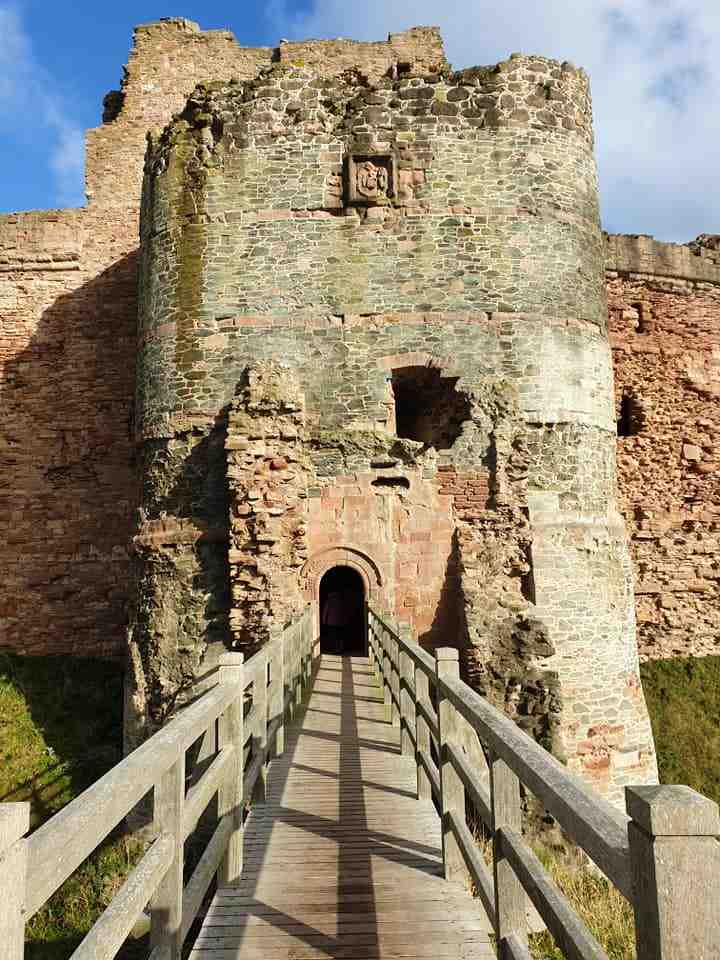
Tantallon Castle, three miles east, is the most dramatically sited ruin in the Lowlands: a curtain wall of red sandstone across a headland, with the Bass Rock framed beyond it and a 100-foot drop to the sea on three sides. Dirleton Castle, inland, has a gentler appeal – a romantic ruin with what is claimed to be the world’s longest herbaceous border in its garden.
The beaches run almost continuously: Yellowcraig, Gullane Bents, Broad Sands, Seacliff with its tiny rock-cut harbour, and the long sweep of Belhaven at Dunbar. Dunbar itself was the birthplace of John Muir, the founder of the American national park movement, and the John Muir Way long-distance route ends here after crossing Scotland from Helensburgh.
Haddington, the county town, is one of the best-preserved Georgian burghs in Scotland, with St Mary’s Collegiate Church, the longest parish church in the country, beside the River Tyne.
Golf
East Lothian markets itself as Scotland’s Golf Coast, and the claim is fair: more than twenty courses in a strip of about twenty miles. Muirfield, home of the Honourable Company of Edinburgh Golfers, is an Open venue with tightly controlled visitor access, but North Berwick’s West Links, Gullane, Dunbar, Longniddry and Kilspindie all welcome visitors and are superb links golf at a fraction of the cost of the more famous names further north.
Whisky
Glenkinchie, near Pencaitland, is the Lowland malt distillery closest to Edinburgh and one of the easiest distillery visits in Scotland – about 30 minutes from the city. See our Lowland malt whisky guide and the wider Scotch whisky guide.
Midlothian: chapels, hills and coal
Rosslyn Chapel at Roslin is the region’s single most visited attraction, and deservedly so. Founded in 1446 by William Sinclair, it is a small building carved to an extraordinary density – the Apprentice Pillar, the green men, the vaulted ceiling of stars and flowers. The Da Vinci Code brought it a wave of visitors and a great deal of nonsense about Templars and hidden vaults; the reality, a masterpiece of late Gothic stone carving, is more interesting. Book ahead in summer, and allow time for Roslin Glen and Roslin Castle below.
The Pentland Hills Regional Park runs south-west from the edge of Edinburgh: rounded grassy hills, reservoirs, and a network of paths that gives you proper hill walking within sight of the city. Allermuir, Caerketton and Scald Law are all half-day summits. At Hillend, on the northern edge, sits one of Europe’s longest dry ski slopes, open year-round.
Midlothian’s other story is coal. The National Mining Museum Scotland, at the former Lady Victoria Colliery in Newtongrange, is one of the best industrial museums in Britain, with tours led by former miners and the surface buildings preserved largely intact. It puts the surrounding villages in context in a way no castle can.
Crichton Castle, in a fold of the hills near Pathhead, has an Italianate diamond-faceted courtyard facade that is unlike anything else in Scotland. Dalkeith Country Park and Vogrie are the good family options, and the Borders Railway from Edinburgh runs through Midlothian on its way to Tweedbank in the Scottish Borders.
West Lothian: palaces and industrial history
Linlithgow Palace is the highlight: a roofless royal palace on a loch, birthplace of Mary Queen of Scots and James V, and a 20-minute train ride from Edinburgh Waverley. Access arrangements have varied in recent years while Historic Environment Scotland has carried out masonry work, so check before travelling. The loch and the town itself – St Michael’s Church, the High Street, the canal basin – are worth the trip regardless.
Blackness Castle, four miles north on the Forth, is the “ship that never sailed”, a stone fortress shaped like a vessel run aground. Both it and Linlithgow appear repeatedly in Outlander, which brings a steady stream of visitors with cameras.
Hopetoun House, near South Queensferry, is Scotland’s grandest stately home – a William Adam and Robert Adam palace in landscaped grounds on the Forth shore. Cairnpapple Hill, above Bathgate, is a Neolithic and Bronze Age ceremonial site with a view across the whole central belt from coast to coast. Beecraigs and Almondell & Calderwood country parks cover the family end.
West Lothian’s most distinctive landmark is industrial: the shale bings, huge red spoil heaps left by the world’s first commercial oil industry, founded here by James “Paraffin” Young in the 1850s. The Five Sisters bing near West Calder is a scheduled monument, and several bings now have paths to the top and unexpectedly rich wildlife on their slopes.
Getting around the Lothians
This is the easiest part of Scotland to explore without a car. Trains from Edinburgh Waverley reach North Berwick, Dunbar, Haddington’s nearest station at Longniddry, Linlithgow, Livingston and the Borders Railway stations in Midlothian, mostly in 20 to 35 minutes. Lothian and East Coast buses fill in the gaps, including services to Rosslyn Chapel and along the East Lothian coast.
By car, the A1 runs east along the coast, the M8 and M9 west, and the city bypass connects them. Nothing described on this page is more than about an hour from central Edinburgh. See driving in Scotland and Scotland without a car.
Cyclists have the John Muir Way, the Union Canal towpath from Edinburgh to Falkirk, and quiet lanes across East Lothian’s farmland.
Where to stay
Many visitors base themselves in Edinburgh and treat the Lothians as day trips, which works well – see our guides to Edinburgh hotels and places to stay in Edinburgh.
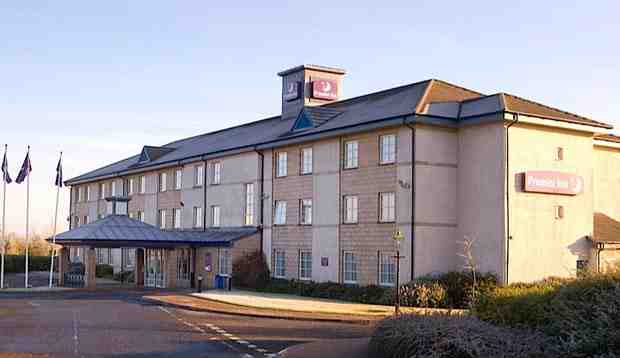
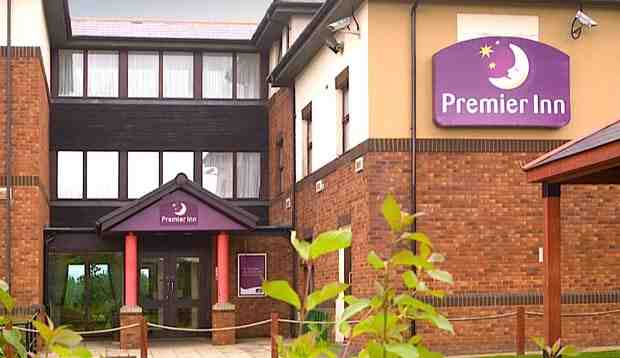
Staying out of the city is often cheaper and, in August, dramatically so. North Berwick, Gullane, Dunbar, Haddington and Linlithgow all have hotels, inns and guest houses with a fast train link into town. Golf hotels cluster along the East Lothian coast, and there are campsites and caravan parks near the beaches. Browse the listings below, or start with our accommodation guide.
A suggested day out in each county
- East Lothian: train to North Berwick, climb the Law, lunch at the harbour, boat trip or Seabird Centre in the afternoon, then Tantallon Castle before heading back.
- Midlothian: Rosslyn Chapel in the morning, a walk in Roslin Glen, then the National Mining Museum at Newtongrange, or a Pentlands ridge walk if the weather is good.
- West Lothian: train to Linlithgow for the palace and the loch, then on to Blackness Castle by taxi or bike, finishing at Hopetoun House or in South Queensferry under the bridges.
When to visit
East Lothian is at its best from May to September, when the beaches are usable and the gannets are on the Bass Rock. Rosslyn Chapel and the indoor attractions work all year. Spring and autumn are ideal for the Pentlands and the coastal paths, and winter brings big skies over the Forth, geese on the fields and no crowds anywhere. See the best time to visit Scotland.
Food and drink
East Lothian is the market garden of Edinburgh, and the food reflects it: seed potatoes, soft fruit, brassicas and grain from some of the best arable land in Scotland, plus lobster and crab landed at Dunbar and North Berwick. Gullane, North Berwick and Haddington all have restaurants that draw people out from the city, and there are farm shops along the A198 and A1 selling produce grown within sight of the road.
Midlothian and West Lothian are less obviously food destinations, but both have good country pubs, and Glenkinchie distillery near Pencaitland offers tastings a half-hour from the capital. Linlithgow’s High Street has a solid run of cafes and restaurants for a day trip lunch.
The beaches
East Lothian’s beaches are the best within easy reach of any British city, and each has a different character. Yellowcraig, near Dirleton, has dunes, pine woods and a view of Fidra lighthouse – the island that is said to have inspired Robert Louis Stevenson’s Treasure Island map. Gullane Bents is a wide sweep of sand backed by golf links. Seacliff is a small, sheltered bay with a tiny harbour cut into the rock and the best view of Tantallon there is. Belhaven at Dunbar is long, flat and popular with surfers and the well-photographed “bridge to nowhere” that strands itself at high tide.
All are free to reach, though several have paid parking in summer. The water is cold year-round – wild swimmers here wear wetsuits for good reason.
History you can stand in
The Lothians carry an unusual density of history for a small area, largely because they sat between the Scottish crown at Edinburgh and Stirling and the English border. Cairnpapple Hill in West Lothian was a ceremonial site for the best part of two thousand years before the Romans arrived. Traprain Law in East Lothian was the fortified centre of the Votadini and produced a hoard of late Roman silver. Battles were fought at Dunbar in 1296 and again in 1650, and Prestonpans in 1745 gave Bonnie Prince Charlie his first victory – the battlefield has an interpretation centre and a walking trail.
The industrial layer sits on top of all of it: coal in Midlothian, shale oil in West Lothian, fishing and grain along the East Lothian coast. It is one of the reasons the area repays repeat visits – every village here has something under it.
Frequently asked questions
What are the Lothians? The three council areas surrounding Edinburgh – East Lothian, Midlothian and West Lothian – historically a single county and now the capital’s hinterland.
What is the best day trip from Edinburgh? North Berwick for the coast and seabirds, Rosslyn Chapel for architecture, or Linlithgow Palace for royal history. All are under 40 minutes by train.
Can you see the Bass Rock gannets? Yes – from North Berwick by boat trip in season, or through the live cameras at the Scottish Seabird Centre all year.
Where is Rosslyn Chapel? At Roslin in Midlothian, about seven miles south of Edinburgh, reachable by bus from the city centre.
Is East Lothian good for golf? Exceptionally. More than twenty courses along twenty miles of coast, most of them open to visitors, with Muirfield the best known.
Do I need a car? No. The Lothians have the best rail and bus links of any rural area in Scotland, and almost everything here is reachable from Edinburgh Waverley.
Browse places to stay and visit in the Lothians
Use the directory below to search hotels, guest houses and attractions.